Lake
tenin
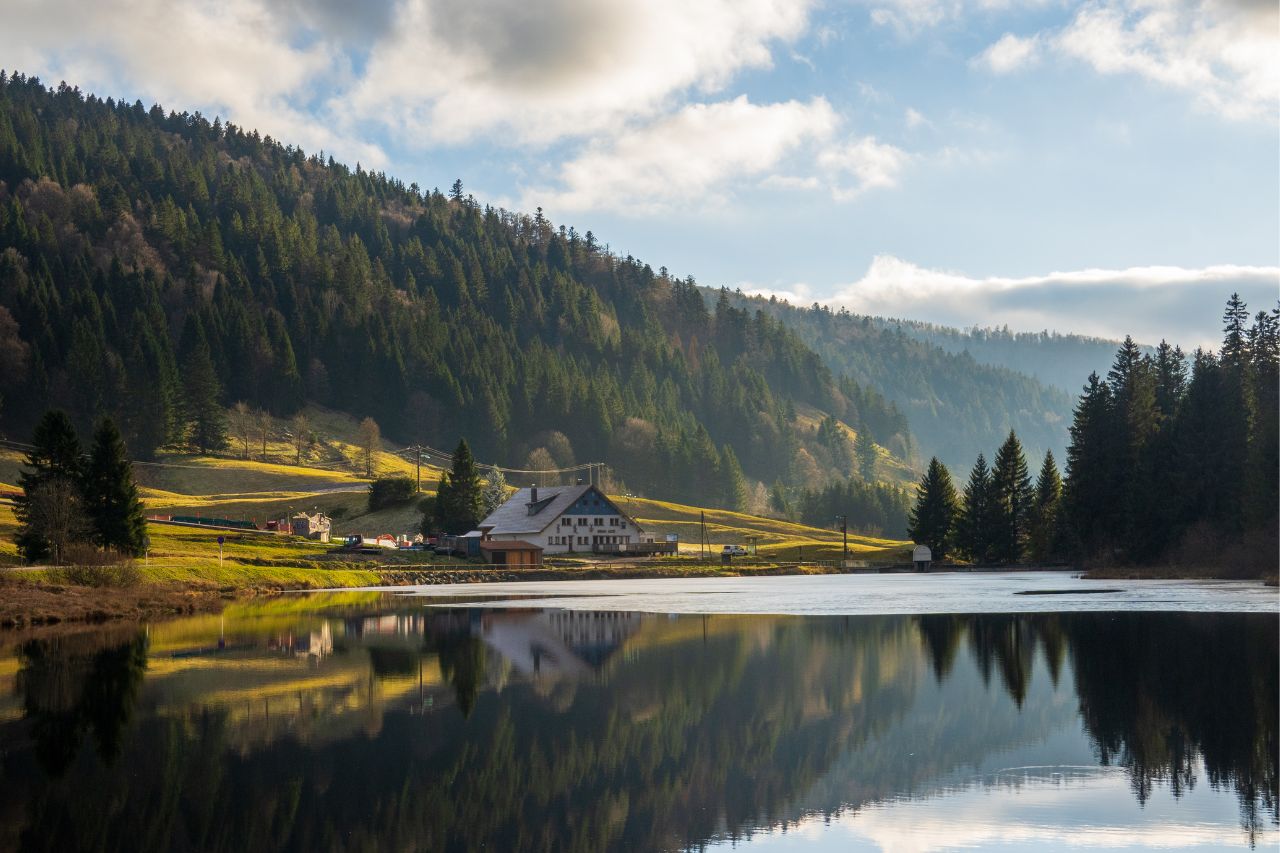
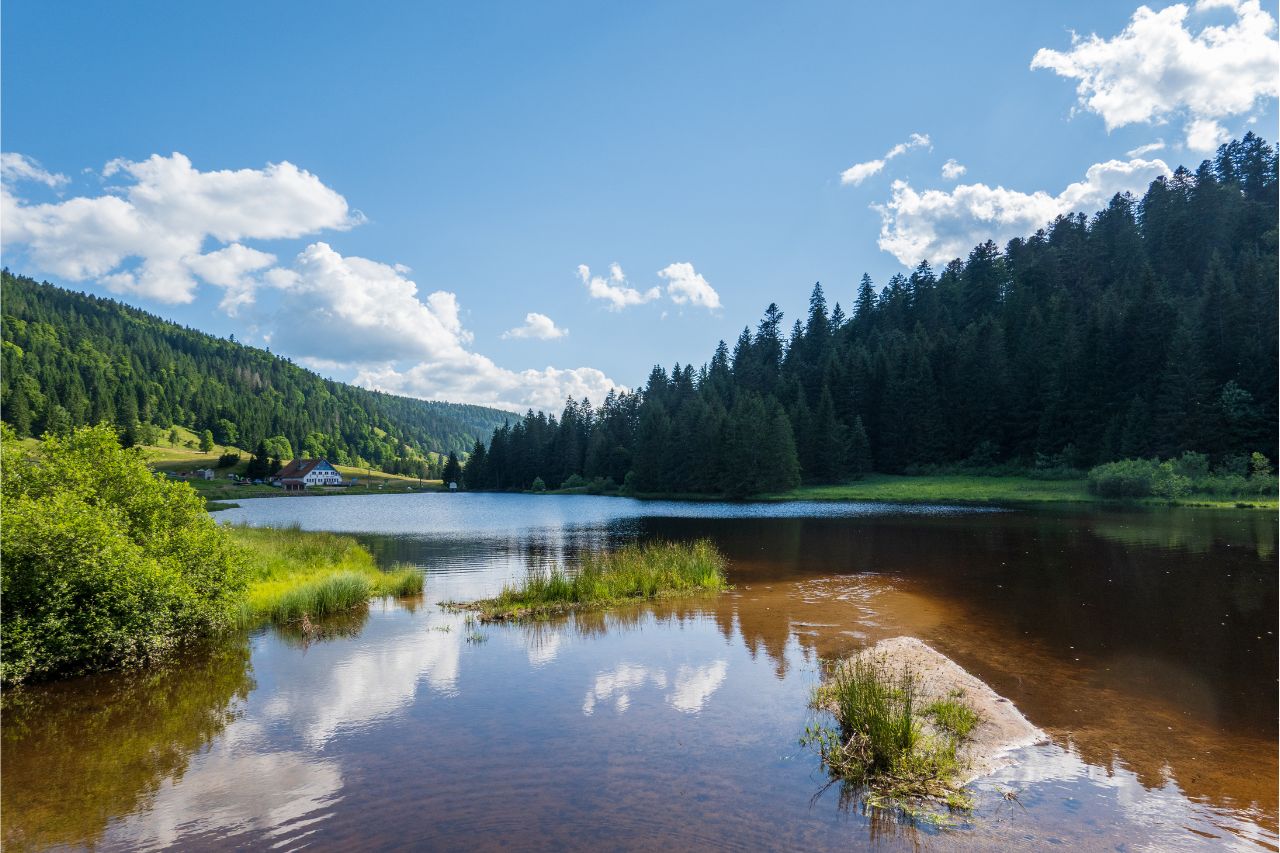
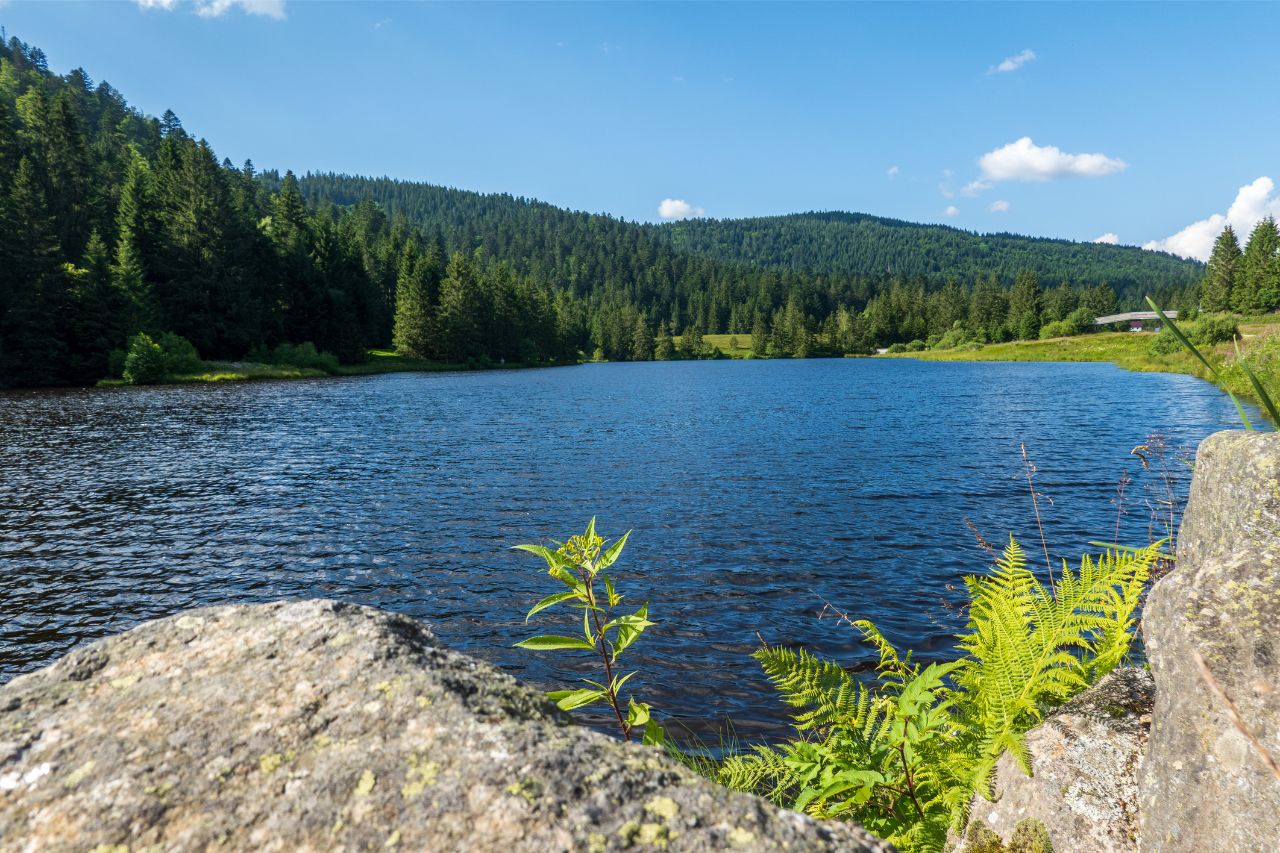
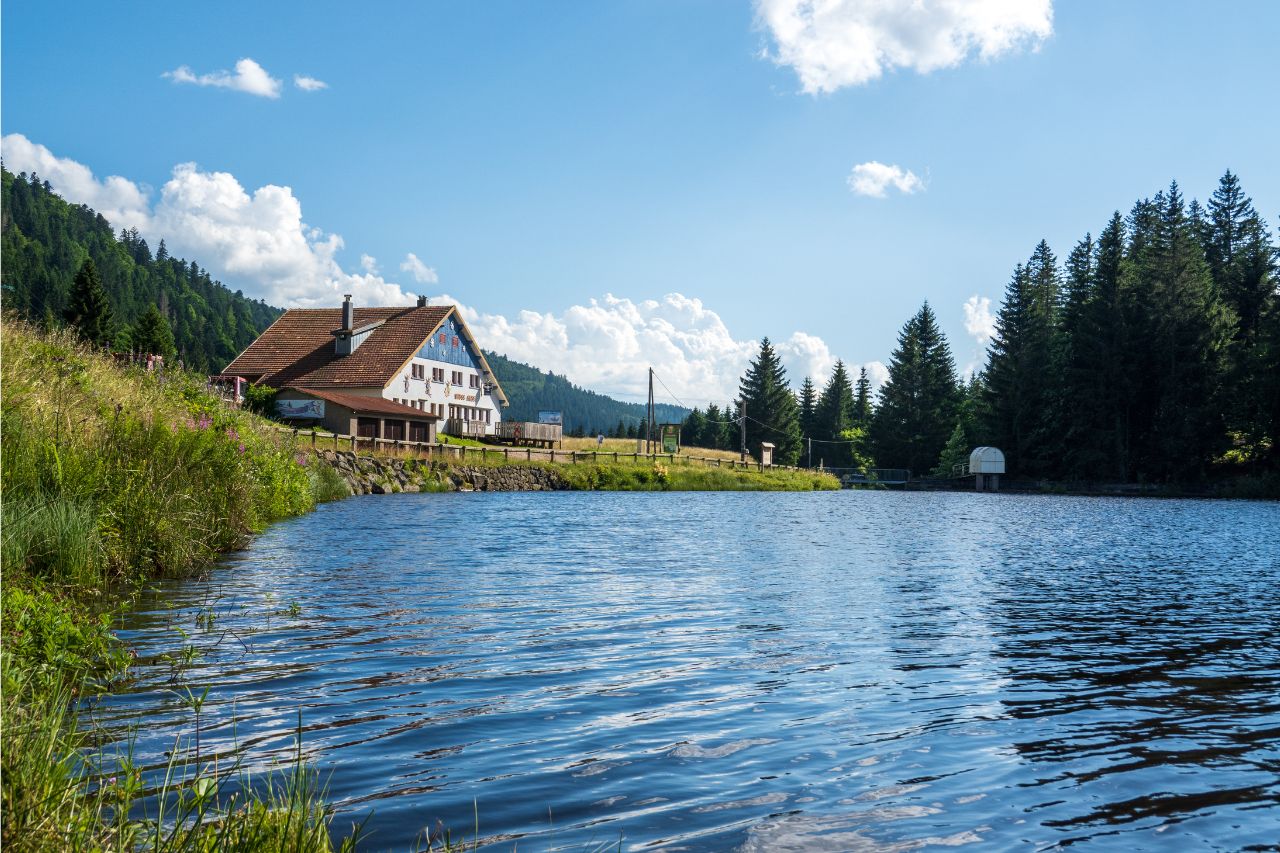
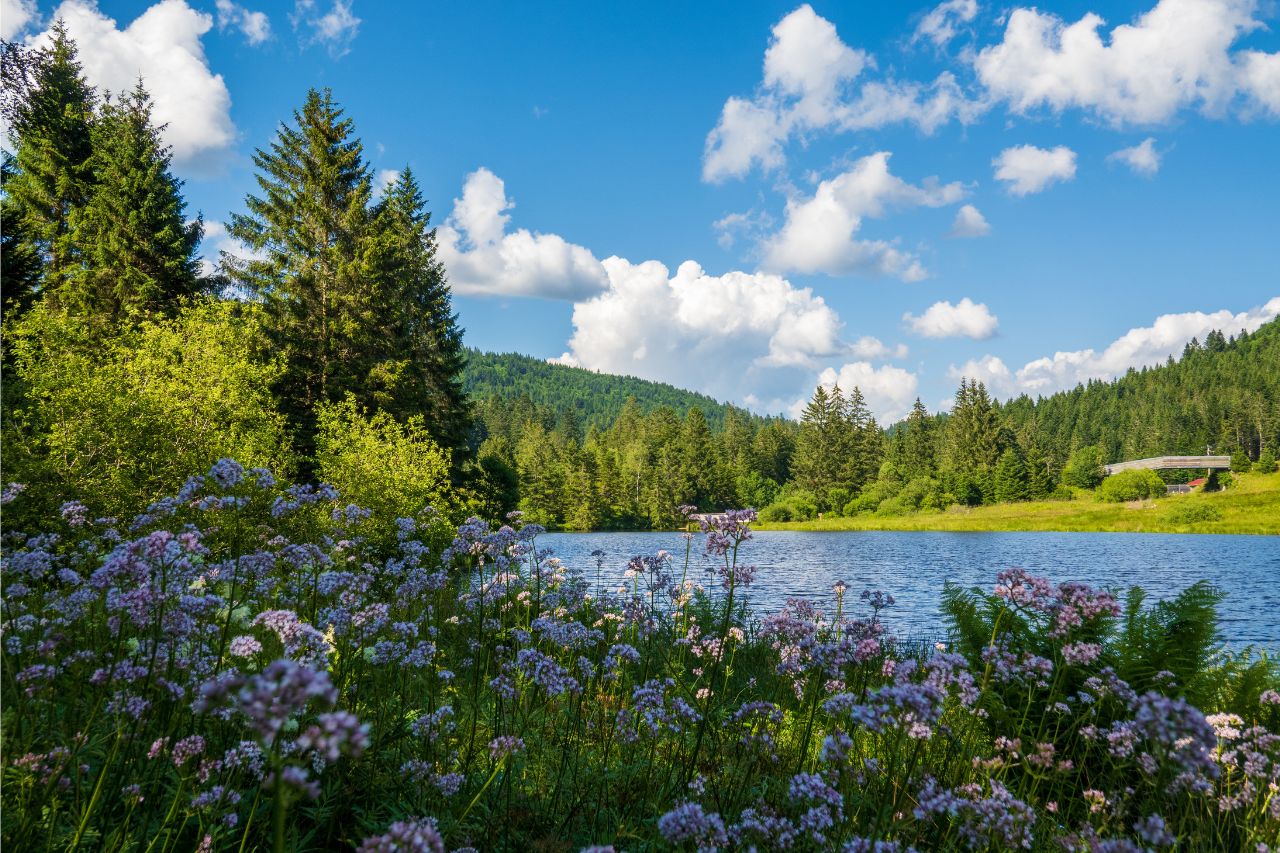
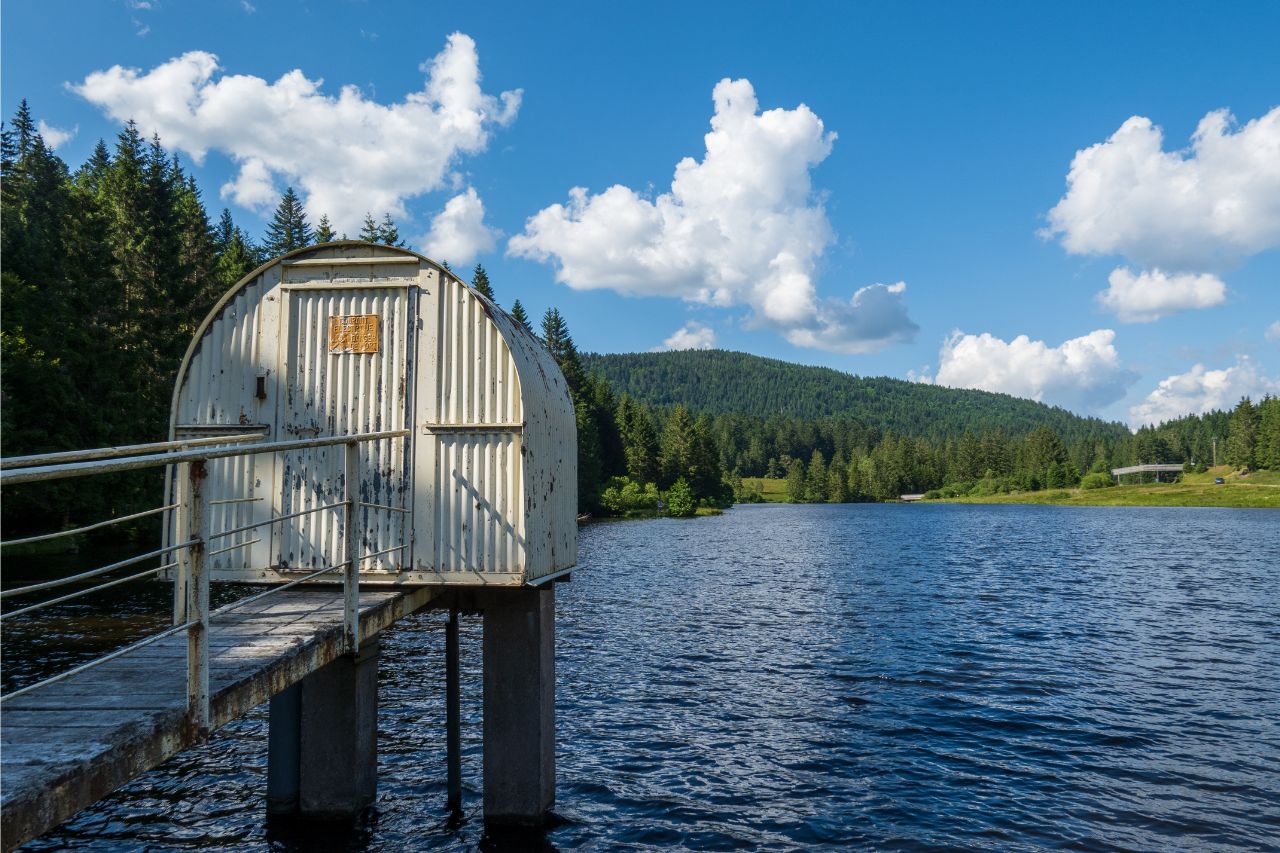
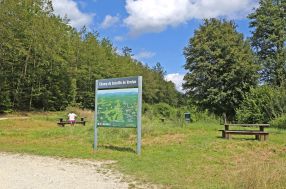
Less frequented than the nearby Lake Lispach, Lake Ténine is nonetheless one of the most remarkable natural sites in the High Vosges. Nestled in a glacial valley at an altitude of 912 meters, this body of water owes its current shape to an artificial dam built in 1948, which once supplied electricity to the valley's factories—an activity that ceased in the early 1990s. The site's main attraction lies in its floating peat bog, a raft of peat that covers nearly half the lake's surface. This phenomenon illustrates a characteristic stage in the natural evolution of a peat bog, which gradually colonizes the water's surface. Below, on the right bank of the Chajoux stream, lies the Ténine peat bog itself: a raised bog that, according to the Ballons des Vosges Regional Natural Park, is among the thickest in the Vosges Mountains and the Grand Est region. It is surrounded by a belt of spruce forest established on peat. Due to this ecological richness, the Ténine and Lispach peat bogs have been listed in the inventory of sensitive natural areas of the Vosges department since 1995. Their preservation is governed by a management agreement involving the Communauté de communes (intermunicipal authority), the municipality of La Bresse, the Ballons des Vosges Regional Natural Park, the ONF (National Forestry Office), and the Conservatoire des Sites Lorrains (Lorraine Sites Conservatory). Access and practical information — Possible starting point from the Lispach lake parking lot: 7,9 km loop, +297 m elevation gain, approximately 2.5 hours, moderate level — Alternative starting point from the La Ténine biathlon stadium (winter route, snowshoes) — Educational trail marked with yellow rings, connecting Lispach lake to the Ténine peat bog — Dogs allowed on leashes — Accessible year-round