Beaulieu wine press
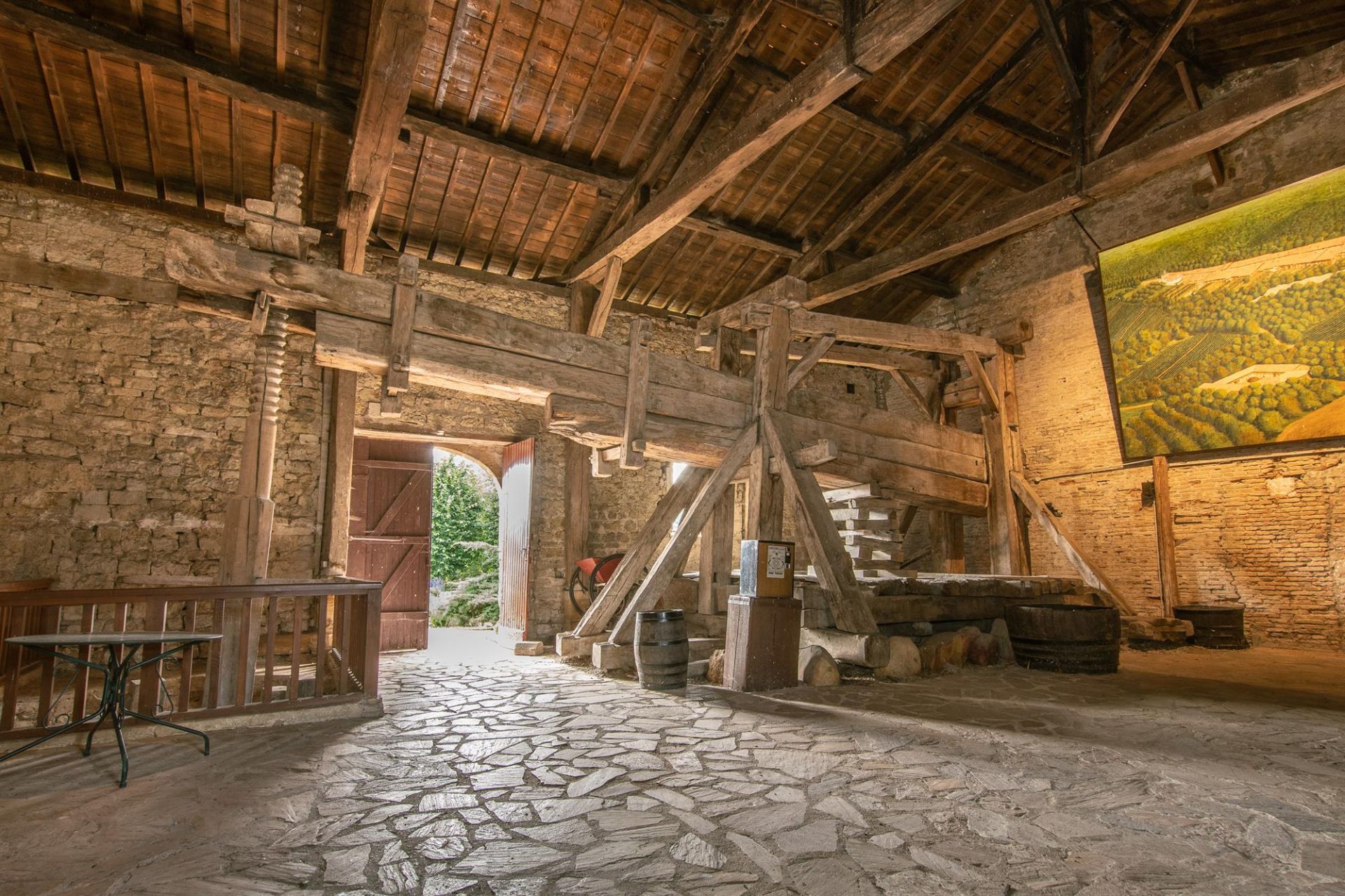
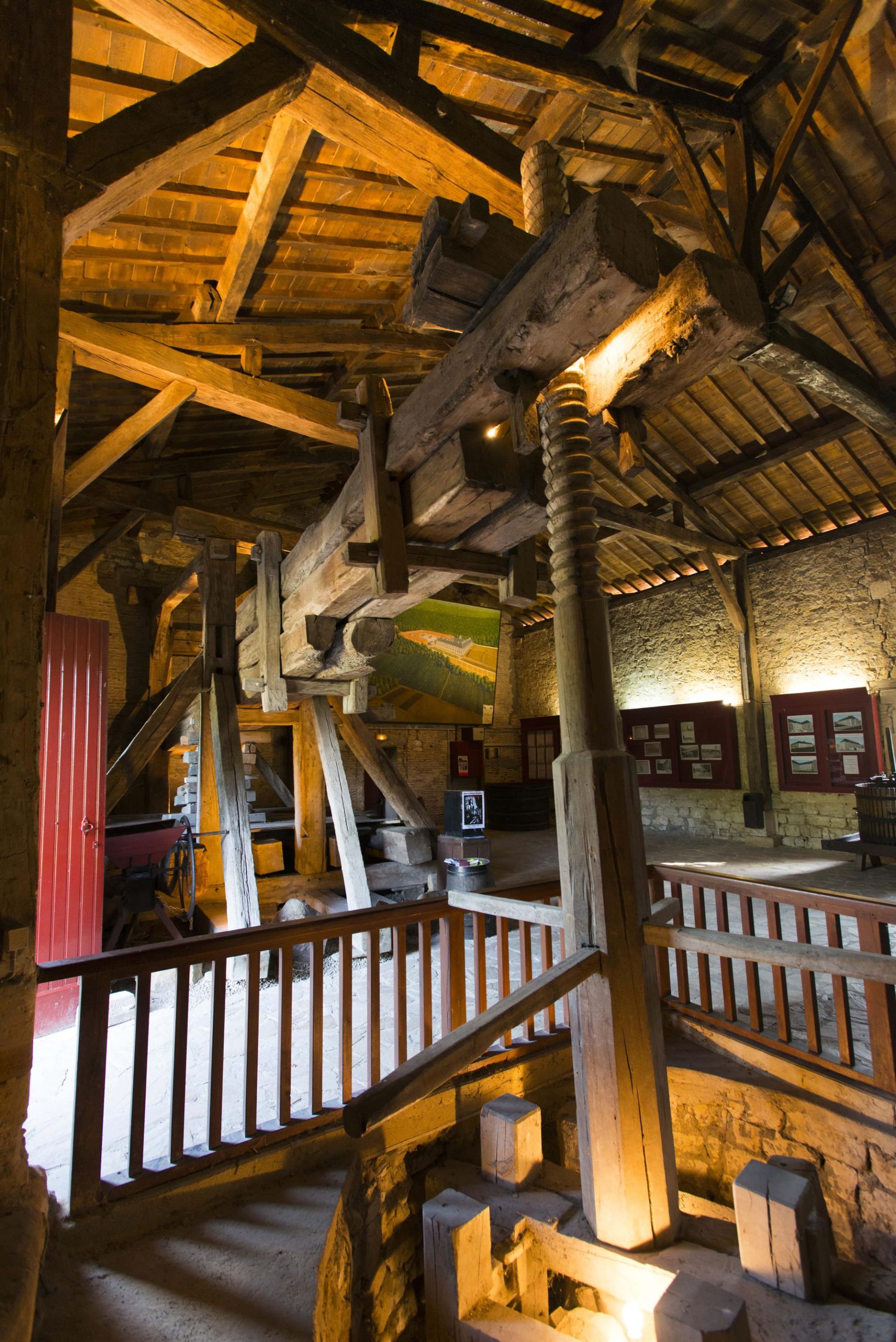
Within a building that once housed the outbuildings of Beaulieu-en-Argonne Abbey (destroyed during the French Revolution), a superb vestige of the village's winemaking history still stands: a 13th-century wine press. In the Argonne region, vines once flourished on the south- and east-facing slopes, on soils composed of gaize (the local rock), with the first vineyards dating back to the Middle Ages, particularly near the abbeys. In 1807, the Argonne vineyards reached their greatest extent, covering 2344 hectares. However, the phylloxera crisis in the last third of the 19th century decimated these vineyards. In Beaulieu, the wine press is made of oak. It is a lever press, operating on the principle of leverage. The pressing process lasted between 12 and 20 hours, and it was possible to press approximately 5000 liters of wine in a single batch. Used until around 1900, it was saved thanks to the efforts of a local schoolteacher who approached Raymond Poincaré (then former President of the Republic) at the inauguration of the war memorial in 1921. This is how this venerable relic came to be listed as a Historical Monument.