
Cistercian abbey
of Villers-Bettnach
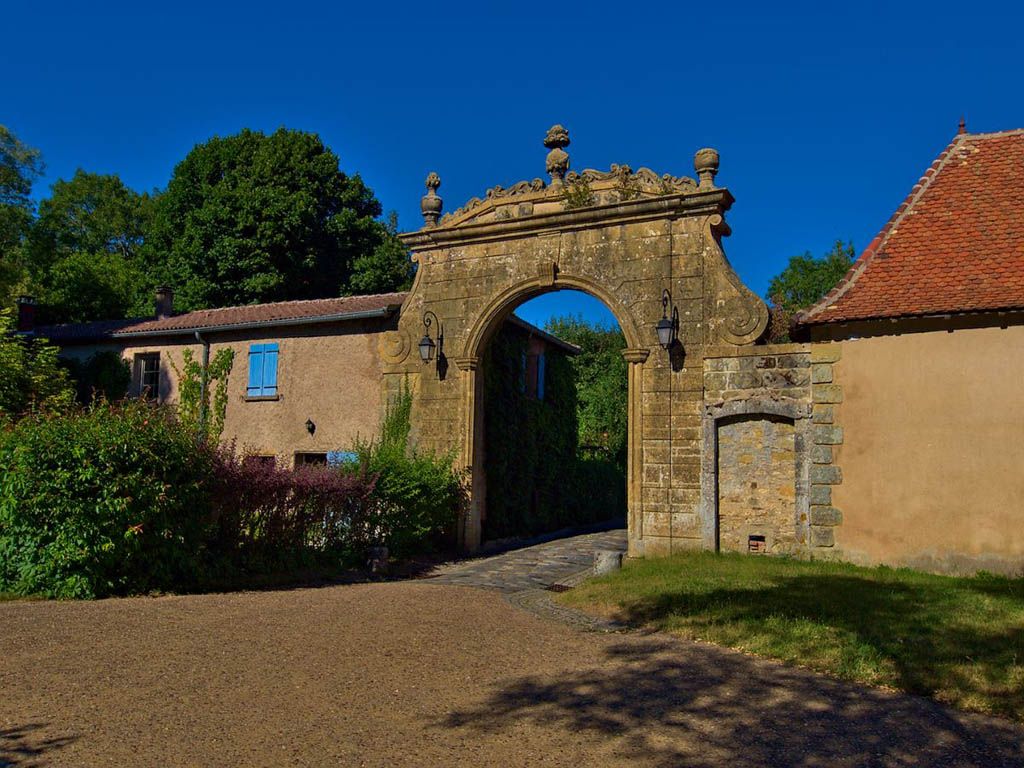
In a small, calm, and silent valley, surrounded by forests of majestic trees and traversed by the Canner, a small stream whose source is nearby, Henry of Carinthia, Cistercian abbot of Morimond, arrived in 1132. He was accompanied by monks and lay brothers, laborers, stonemasons, and blacksmiths. On land donated by the Duke of Lorraine and other generous benefactors, they founded the Abbey of Villers-Bettnach in this place conducive to contemplation and work. First, a small chapel dedicated to Saint Catherine, named after one of the foundation's donors, was built. The building that housed it still exists. The gable is adorned with three Romanesque windows, very characteristic of the period. This initial construction was followed by the building of the classic structures found in all other abbeys: church, abbey church, cloister, chapter house, warming room, refectory, dormitories, library, cellar, storehouse, and workshops for various tasks: carpentry, forges, and a building and reception area for visitors. The influence of Villers-Bettnach Abbey quickly became significant. Teams of monks, trained within its walls, left to found new abbeys in Austria, Belgium, Germany, and Yugoslavia. After the turmoil of the French Revolution and the departure of the last monks, the buildings were sold as national property and demolished for use as a quarry. The abbey church was less than a century old. Visitors to the site can discover the Chapel of the Humble, restored by the Association, the portal of Bishop Coislin, the gable of the Chapel of Saint Catherine, the ruins, and, some distance away, the pond that served as the monastery's water reservoir.