Fort de queuleu
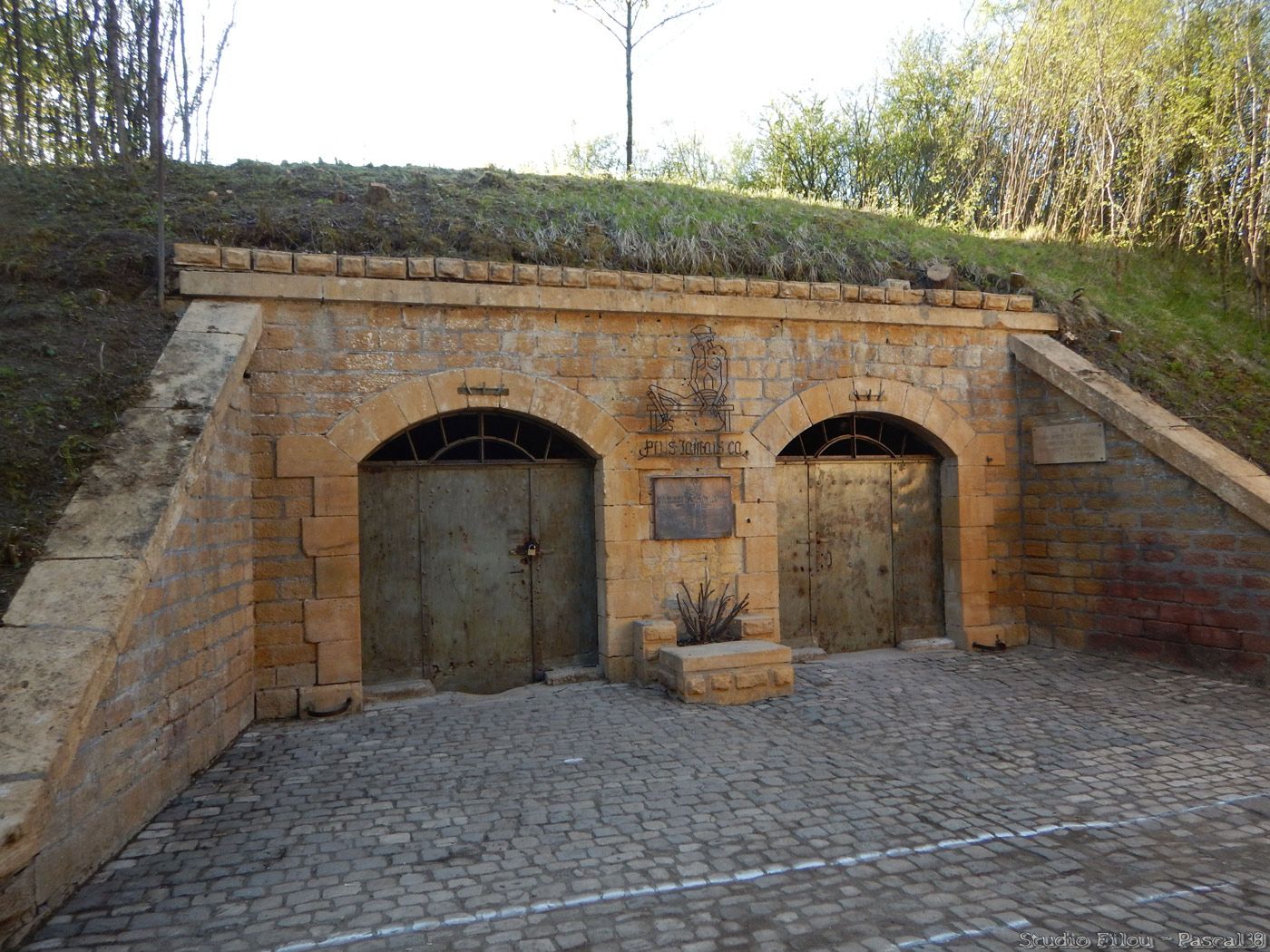
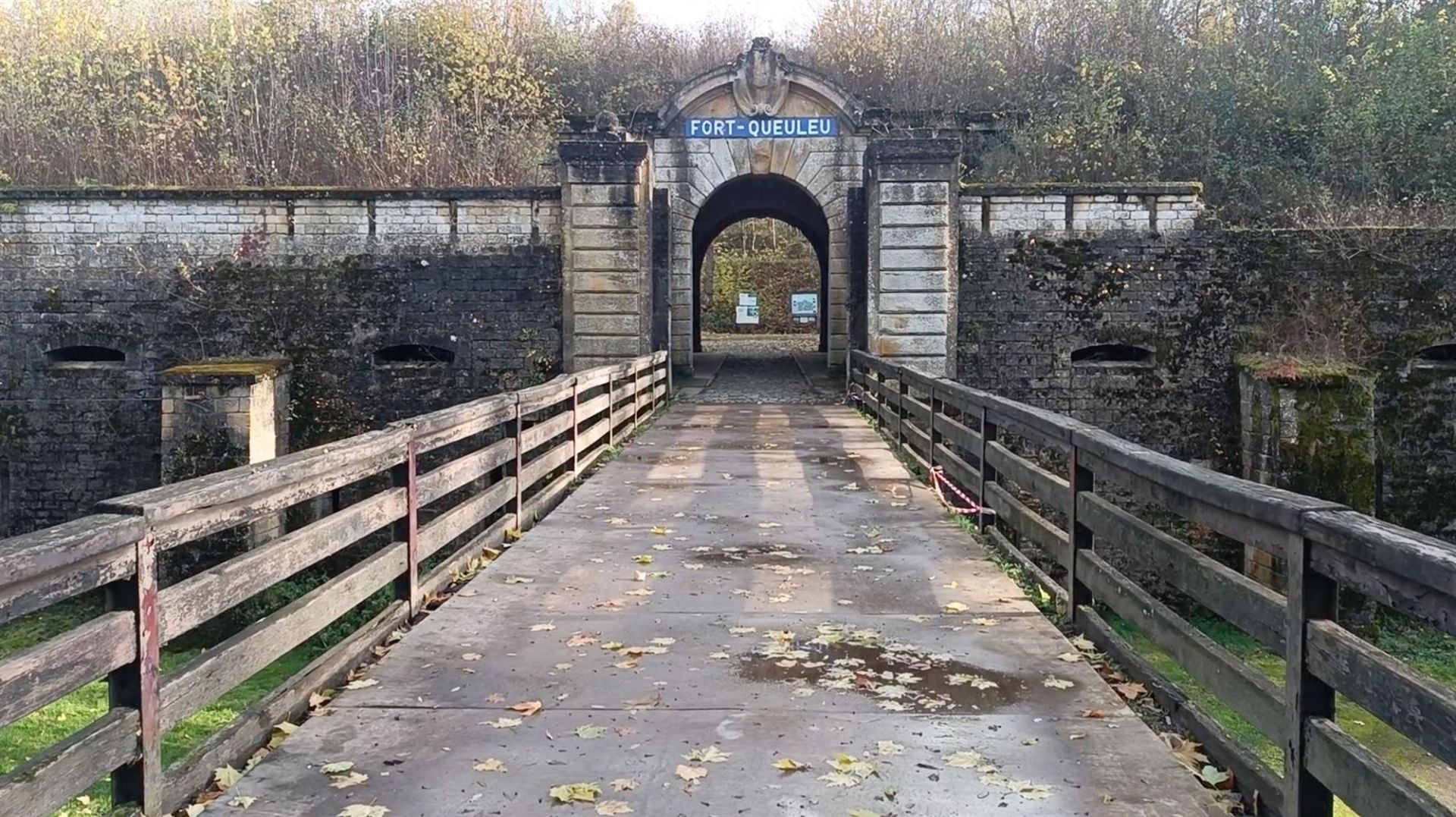
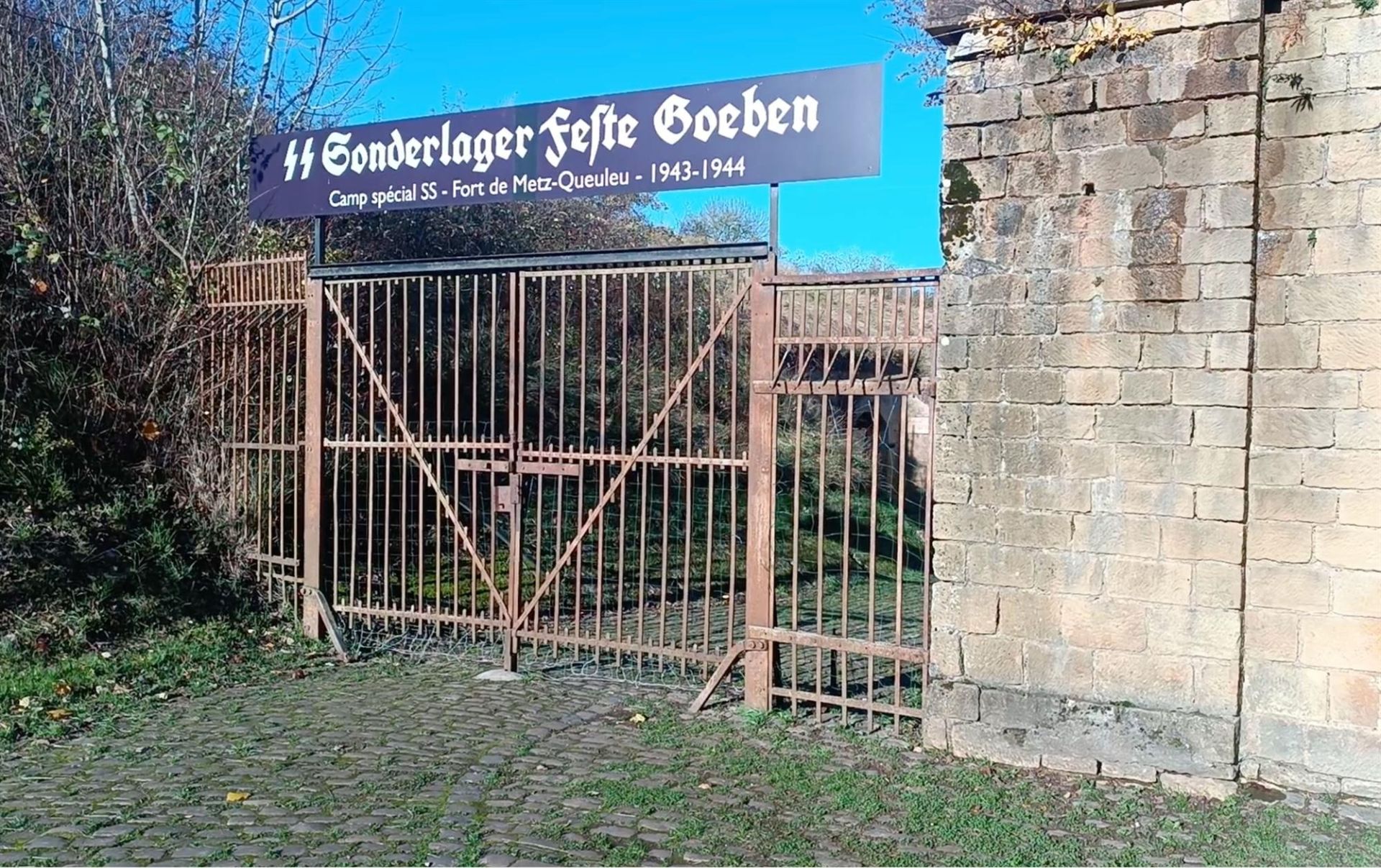
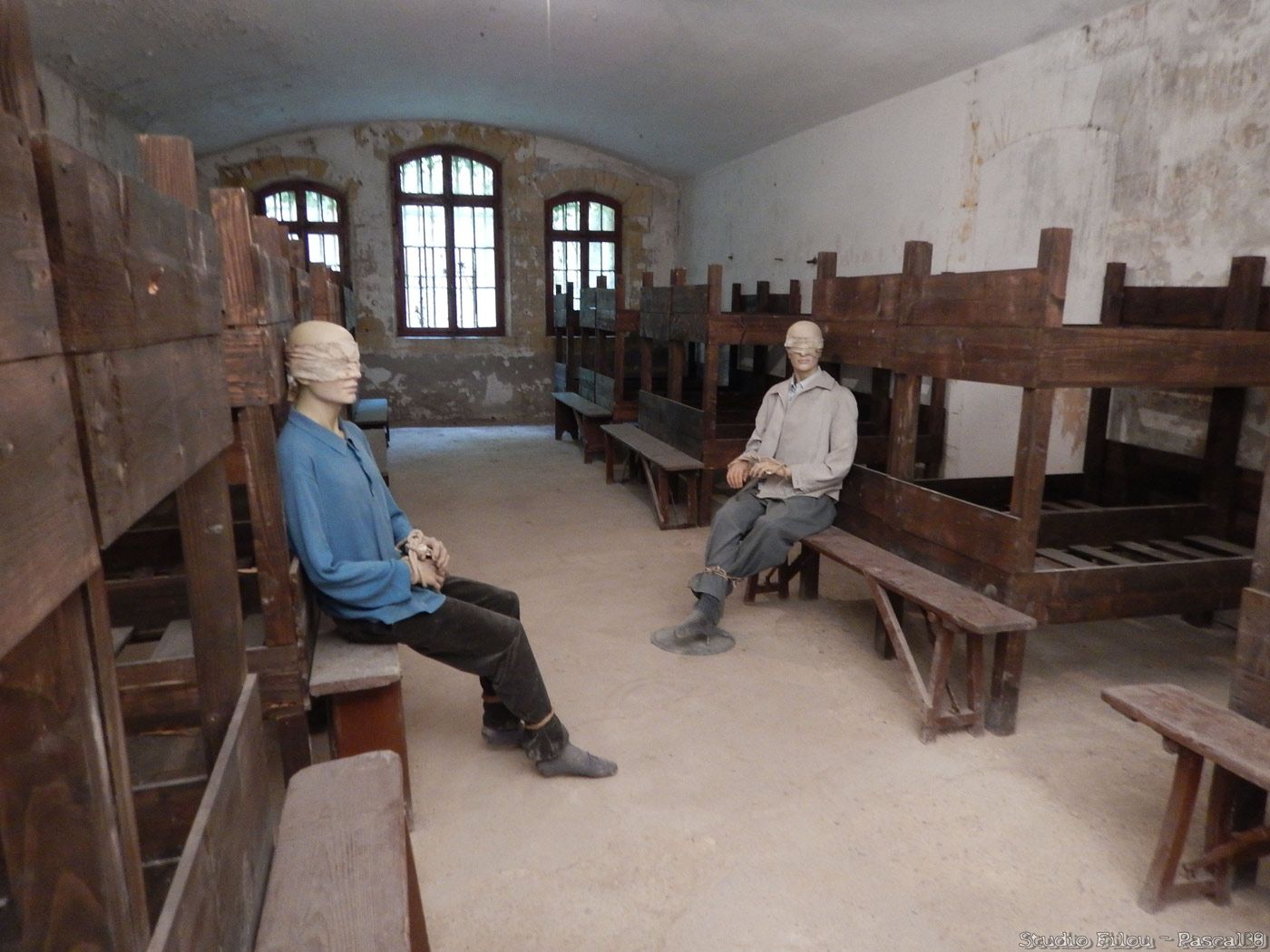
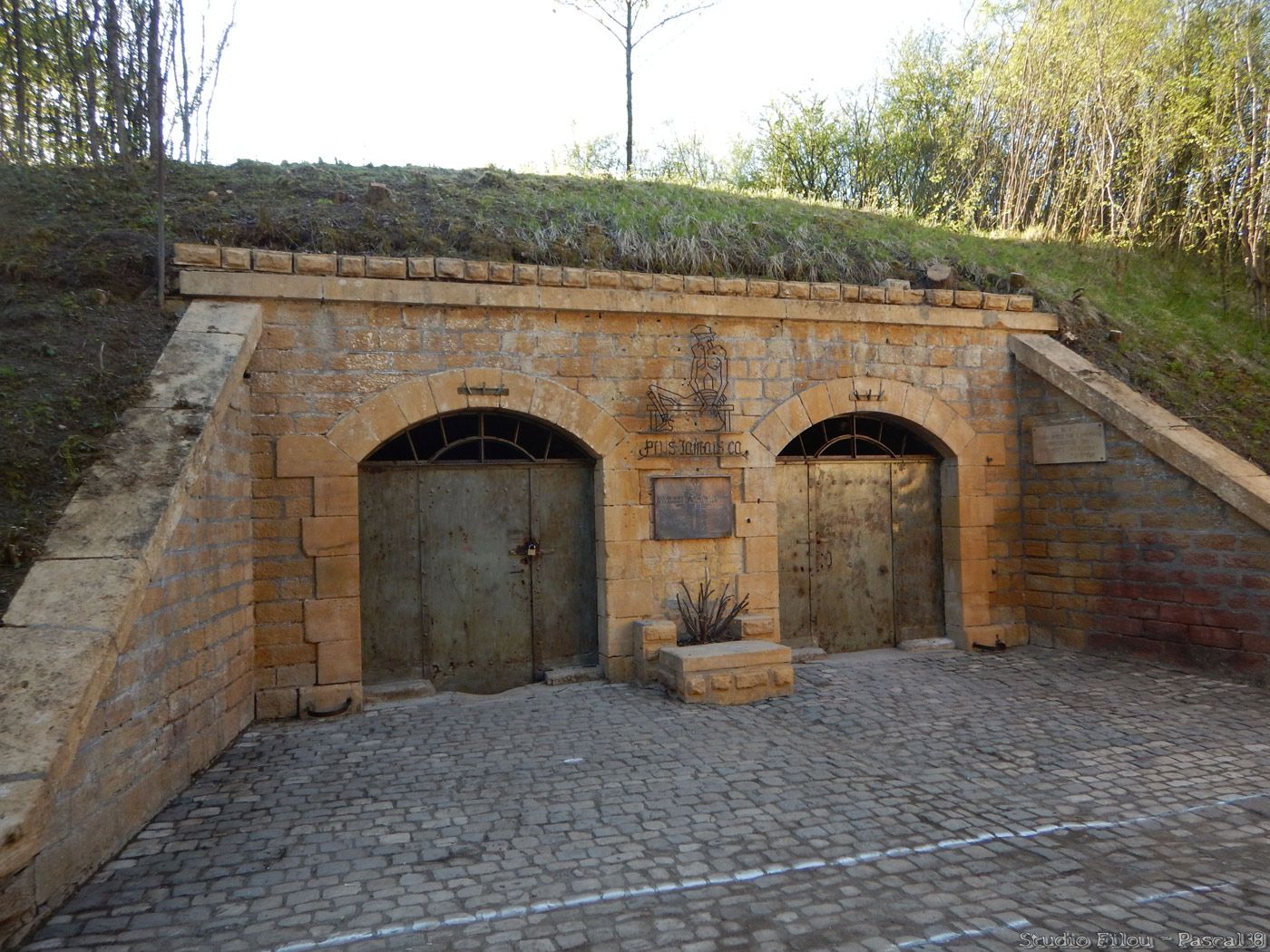
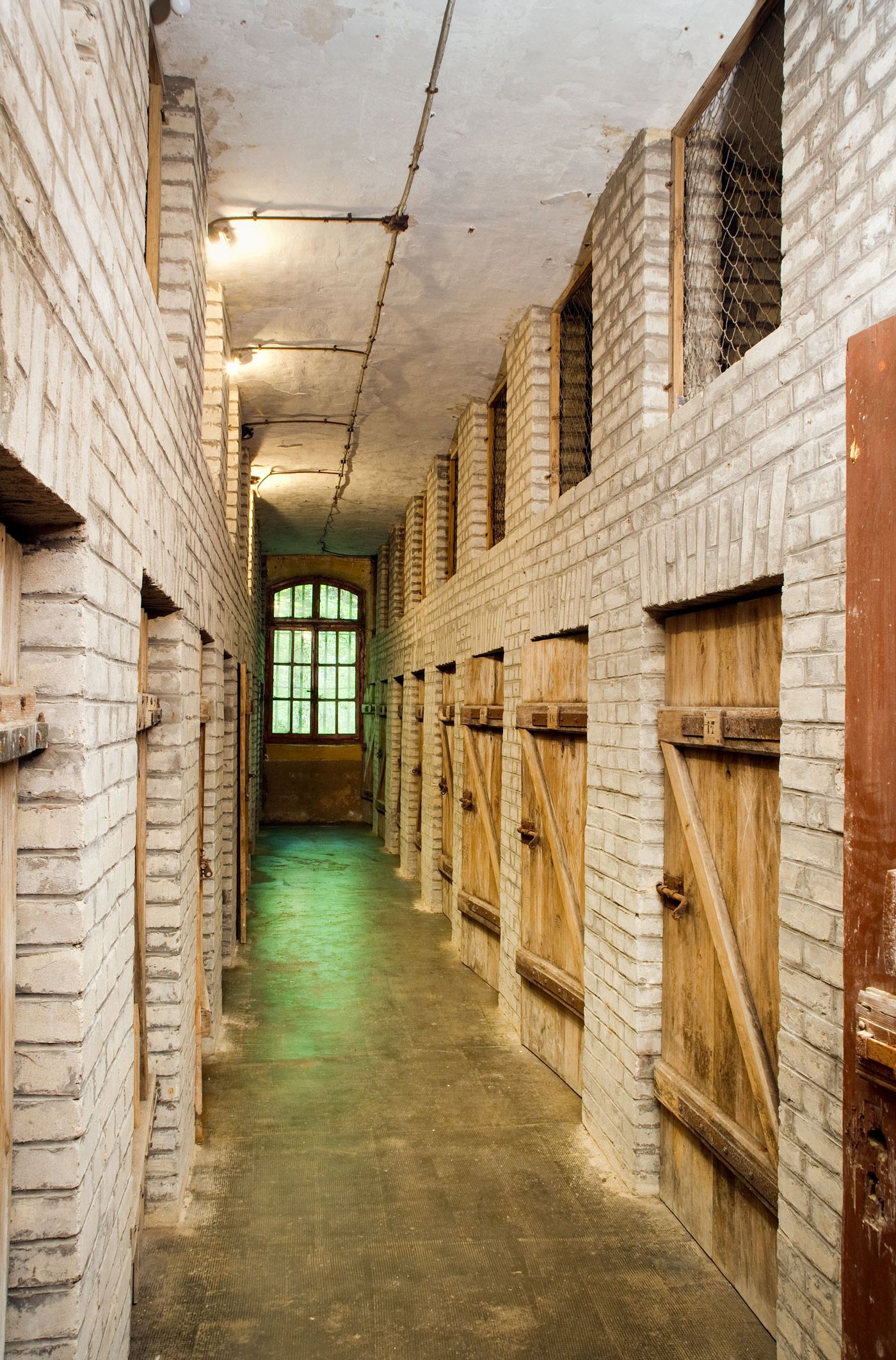
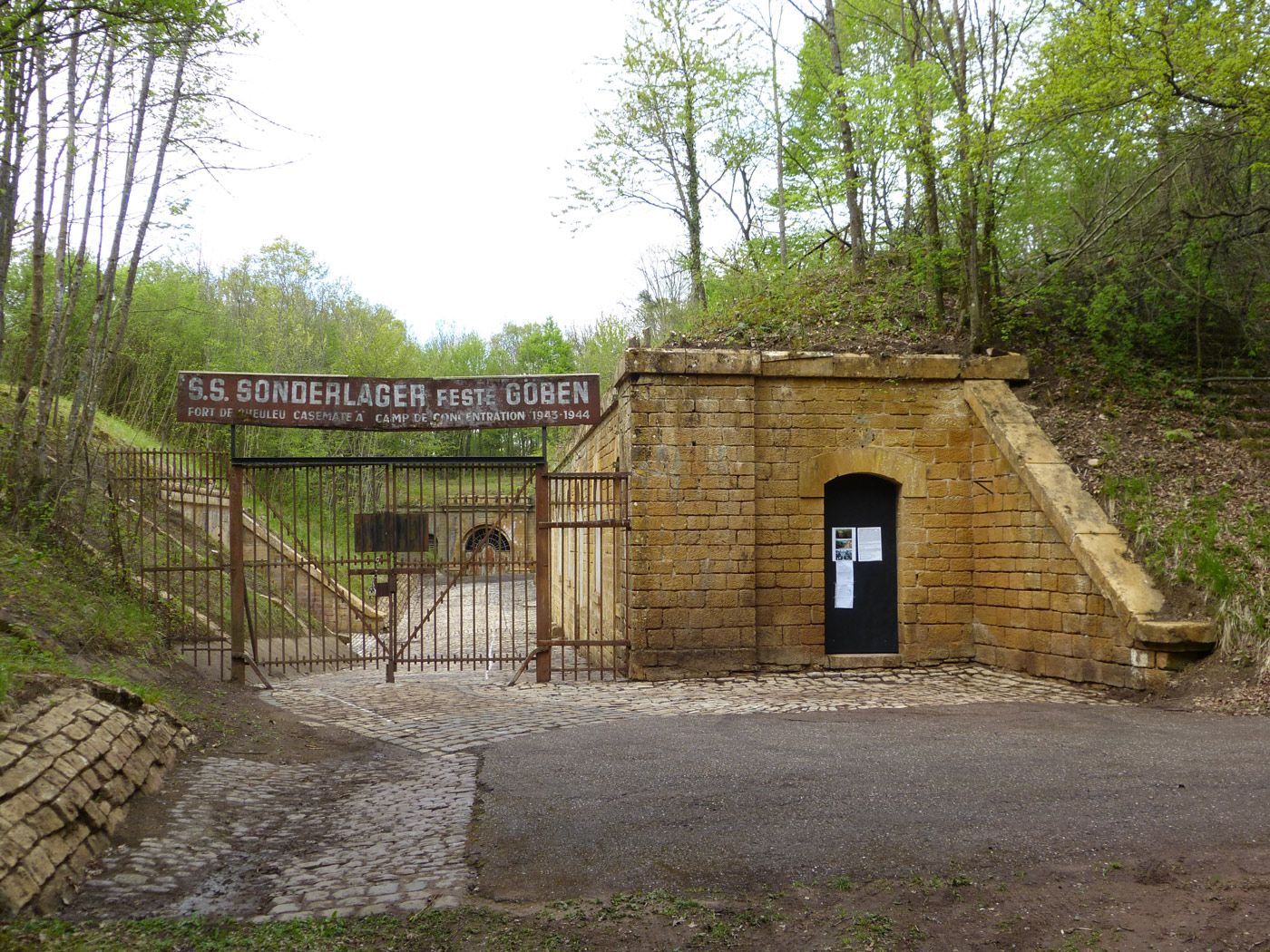
The Queuleu fort belongs to the first fortified ring linked to the defence of the city of Metz. The construction work, begun by the French during the Second Empire in 1867, was largely taken over by the Germans during the first annexation following the defeat of 1870-1871. Then with the construction of the second fortified ring of Metz from 1899 onwards, the fort of Queuleu lost its strategic importance and the improvements made there were minor. During World War II, the fort served as barracks for French soldiers. Following the defeat of 1940, the fort was briefly used as a detention camp for prisoners of war (Stalag). Then between March 1943 and September 1944, the Natzweiler-Struthof concentration camp (Bas-Rhin) installed an annex there mainly intended for the service of the SS. Approximately one hundred prisoners, mainly common law Germans and Poles, are attached to it. Some are involved in work at the Metz-Frescaty aerodrome. Between October 1943 and August 1944, a special camp (Sonderlager) run by the Gestapo was set up in Barracks II. Between 1500 and 1800 prisoners (women and men) were interrogated and interned there before being sent to concentration camps (Natzweiler-Struthof, Dachau…), re-education camps (Schirmeck) or prisons. The special camp at Fort Queuleu saw the internment of resistance fighters, saboteurs, smugglers, draft dodgers, hostages and Russian prisoners. Most are locked in overcrowded communal cells, without the possibility of washing, speaking or moving, under the fierce surveillance of the SS guards and Commandant Georg Hempen. The resistance leaders are isolated in individual cells, dark and damp dungeons which only the commander can access. Police officers are "industrializing" interrogation and using torture. The conditions of internment are terrible and most prisoners are herded together blindfolded with their hands and feet bound. Thirty-six people died in the fort and four people managed to escape in April 1944. During the liberation of Metz, the fort was the subject of fighting between November 17 and 21, 1944, during battles between the American army and German troops entrenched in the fort. The latter was bombed and suffered significant damage before surrendering. A supervised detention center was established by the French administration in the fort between December 1944 and March 1946. Initially reserved for German civilians and their families, the site also served as a detention center for administrative internees arrested for reasons of collaboration, propaganda, anti-patriotism or denunciation (up to 4400 people were interned there). This is one of the most important centers of its kind located in France. Foreigners of various nationalities are interned there (Germans, Spaniards, French, Italians, Luxembourgers, Poles, Yugoslavs…). Between 1946 and 1947, a camp for German prisoners of war was set up in the fort. Finally, between 1948 and 1950, Indochinese workers occupied the site. Located at the entrance to the fort, the monument to the resistance and deportation, inaugurated in 1977, now marks the entrance to the memorial site.