Museums
Imperial Quarter

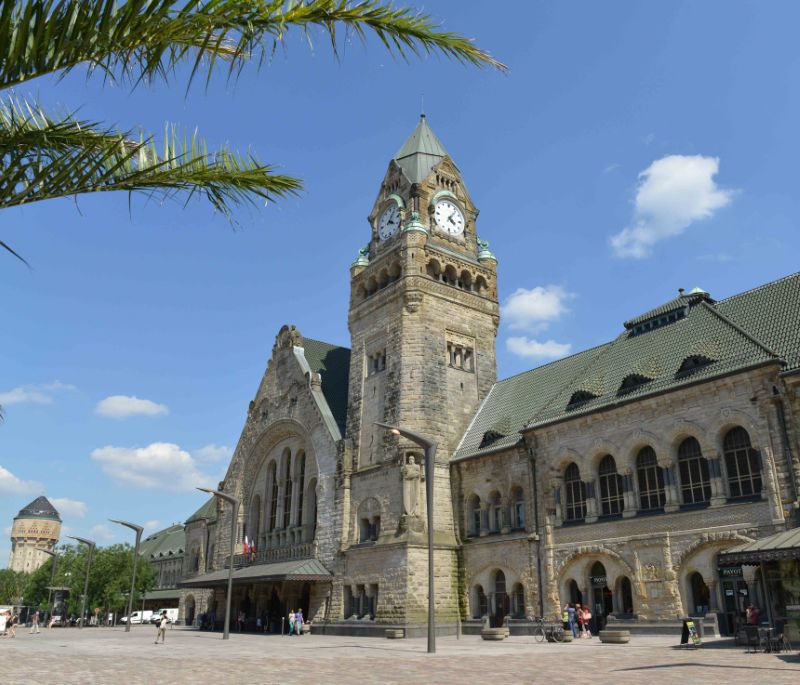
In the late 19th and early 20th centuries, the Imperial Quarter was built in Metz, a model of urban planning born from the vision of Emperor Wilhelm II. It unfolds around the immense railway station, constructed between 1905 and 1908 on over 3000 piles. Built of gray sandstone, it evokes the robust fortresses of the Rhine Valley. On either side of the quarter's spacious avenues rise the multicolored facades of apartment buildings and private houses, designed by architects from all over Europe. From Neo-Romanesque to Art Deco and Jugendstil, all the architectural trends of the Belle Époque coexist harmoniously.