Saint-Wendelin church
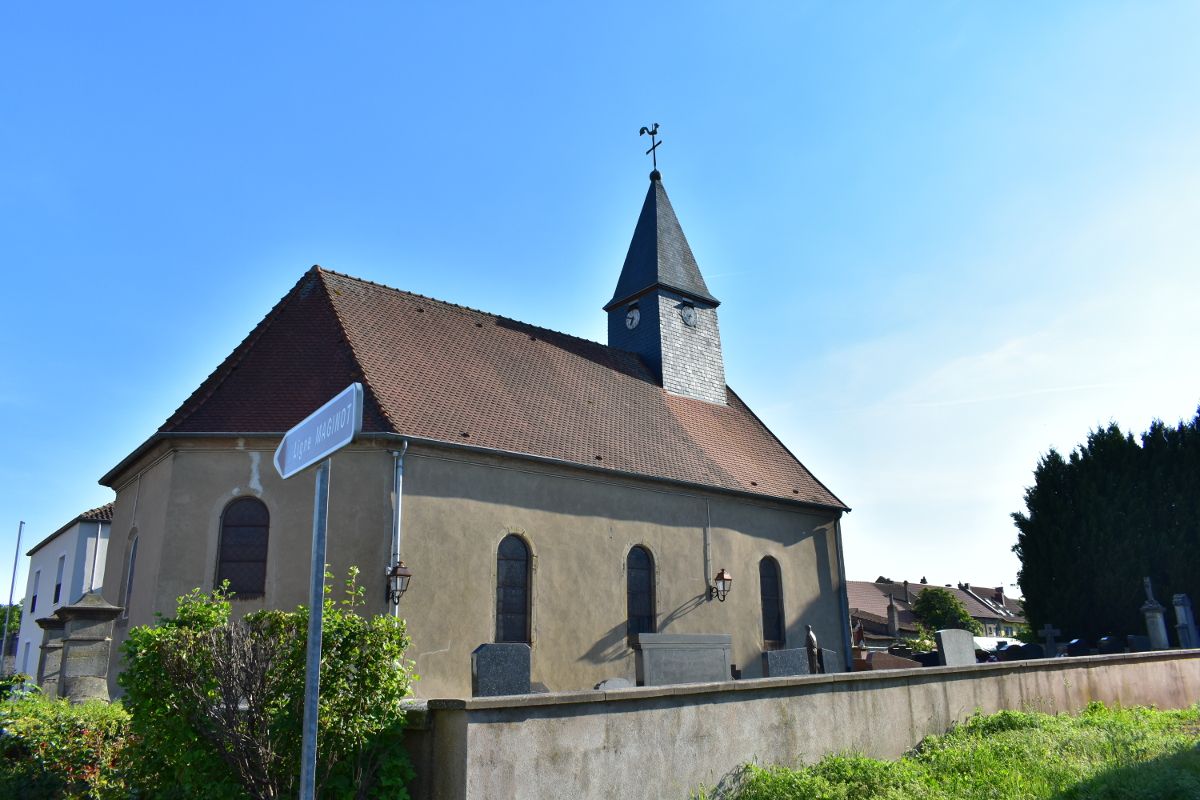
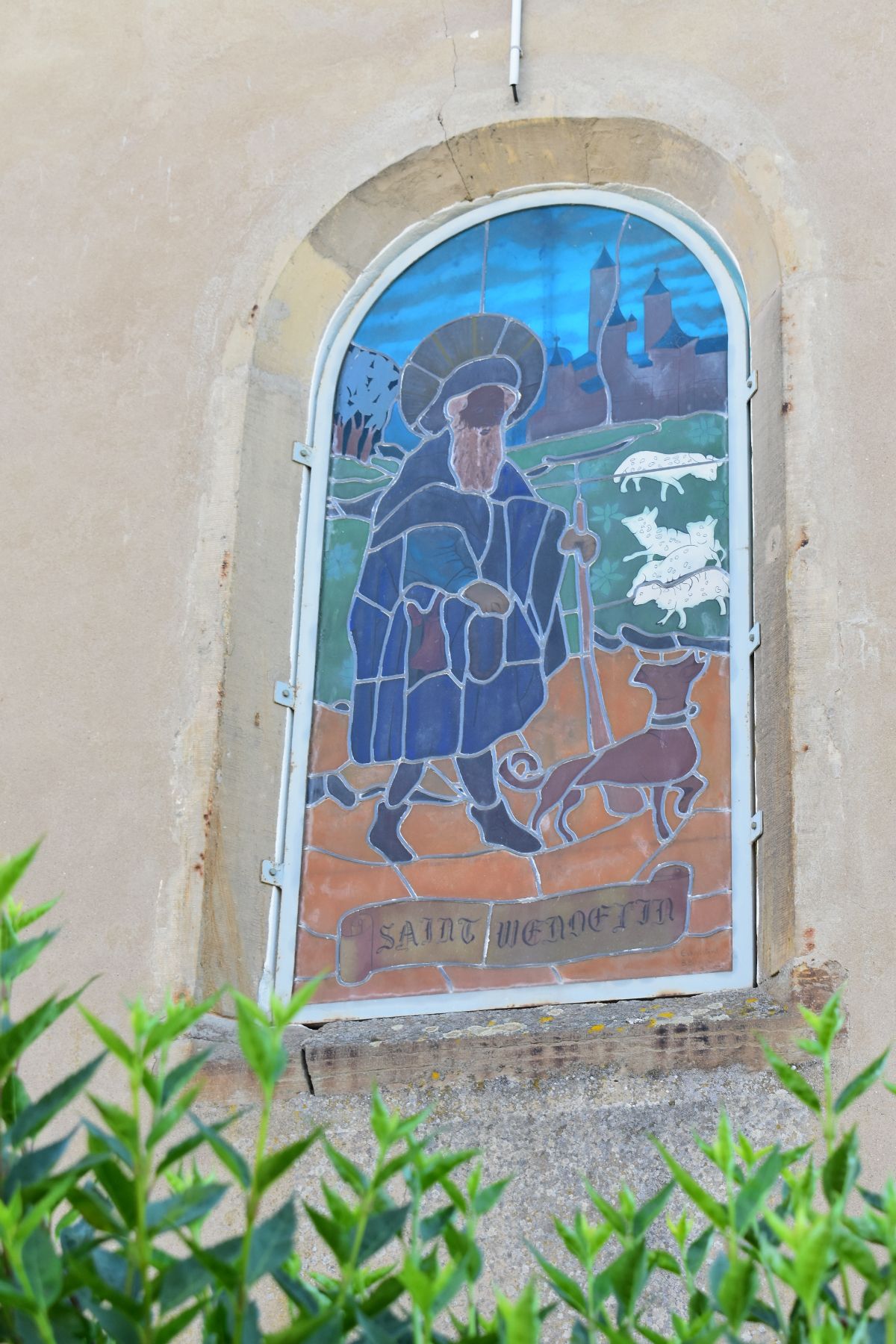
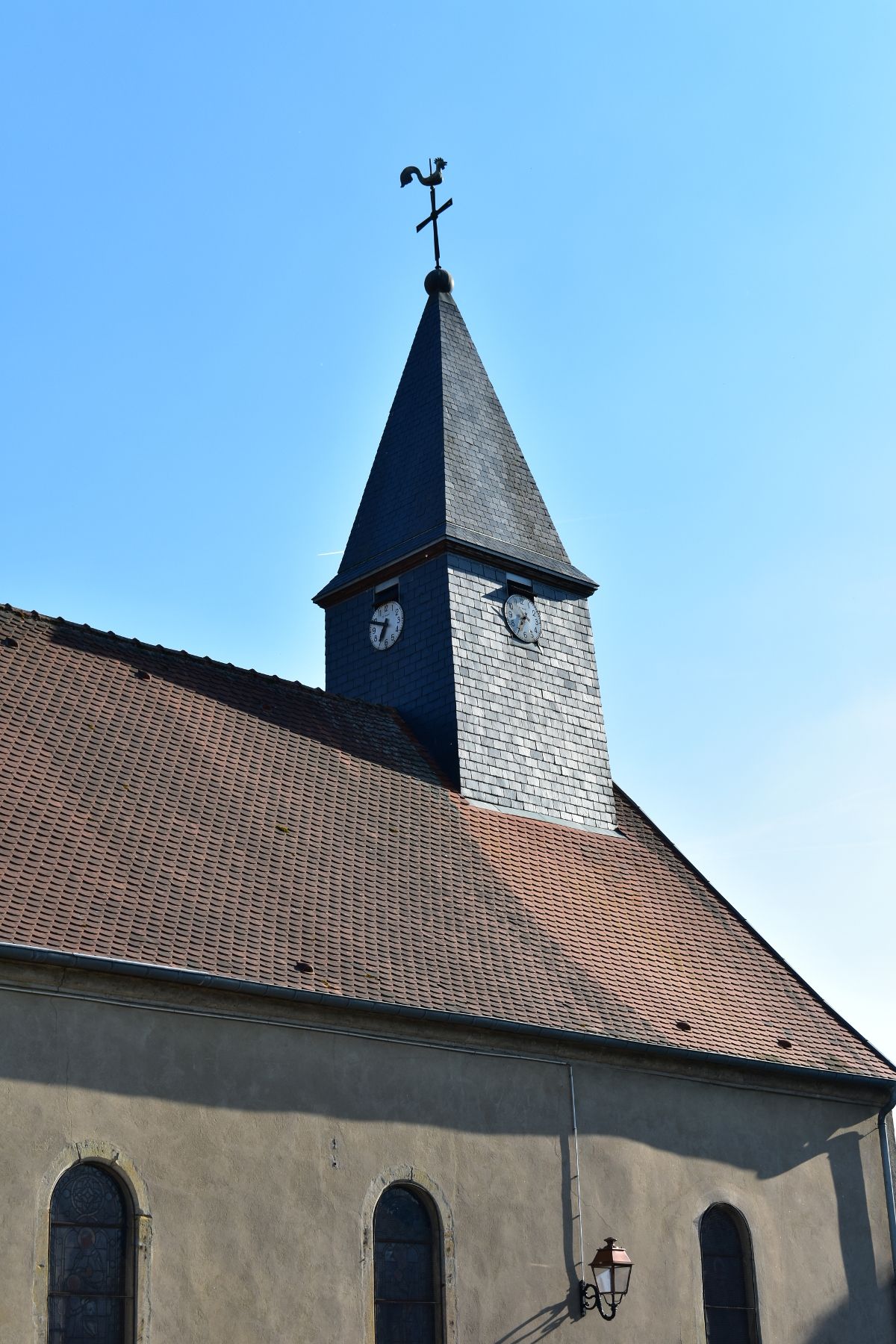
Originally a simple chapel, the church in Barst was built in 1731. A chapel dedicated to Saint Wendelin is first mentioned in the 18th century. In 1821, Barst became an independent parish, and the Saint Wendelin chapel became a church. According to legend, Wendelin met a nobleman. This extremely wealthy and impious man admonished Wendelin for begging for food. The nobleman told him, "You are a young man. You can earn your own food. Come and tend my flock and earn your bread." Wendelin believed that by accepting this work and being paid for it, he would learn more about the world. He agreed and set to work tending a herd of pigs. These creatures gave him no rest and no time for his prayers. He asked his master to relieve him of this task. The master, despite all his faults, respected Wendelin's wishes. He put him to work as a herdsman to tend a herd of cows. Wendelin was then able to devote more time to his devotions. The story goes that God blessed this herd because of Wendelin's prayers, so much so that it became so productive that once again Wendelin found himself with little time for prayer. The herd grew twice as fast as the nobleman's other herds. Once again, Wendelin prayed to his master for help. The master then entrusted him with a flock of sheep. Again, Wendelin found himself with ample time for prayer. He didn't always take his sheep to the same pastures, and often he led them very far away. Moreover, he wished to be far from any other shepherd so that he could concentrate on his prayers. This is how the legend says that Saint Wendelin came to walk the lands of Barst. Wendelin was buried in the church of Sankt-Wendel in Saarland. As a protector of animals, and following his visit to the lands of Barst, the inhabitants entrusted him with their church.