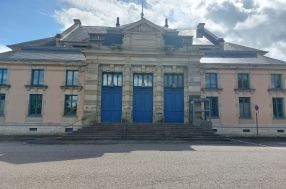
Delme coast
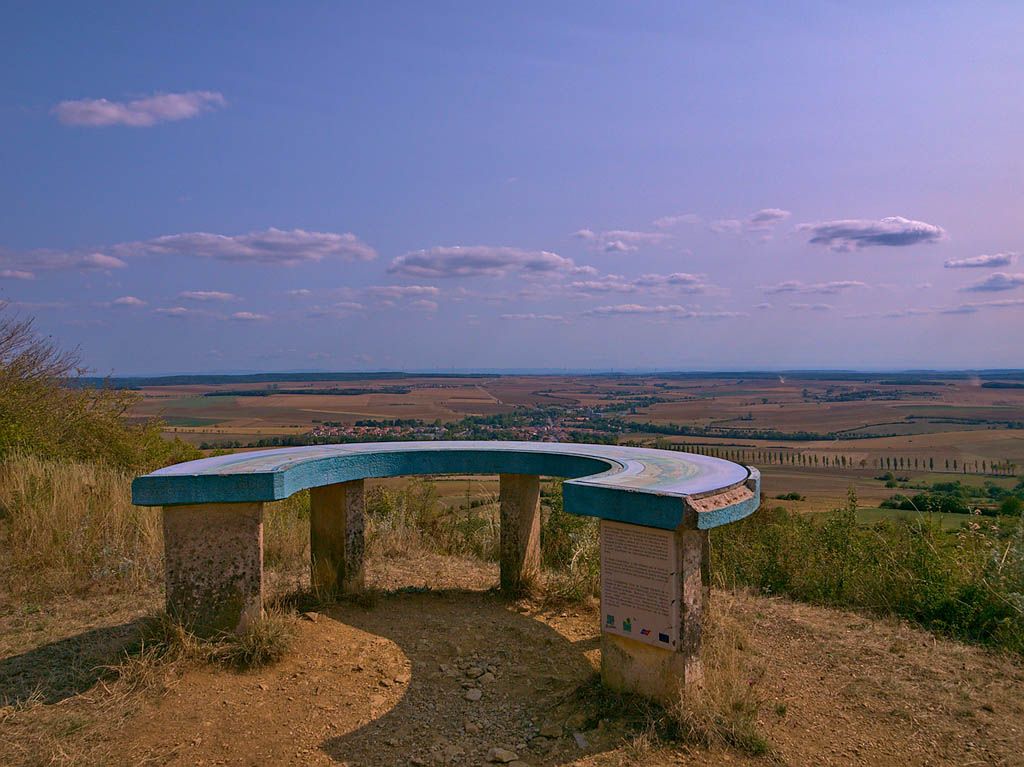
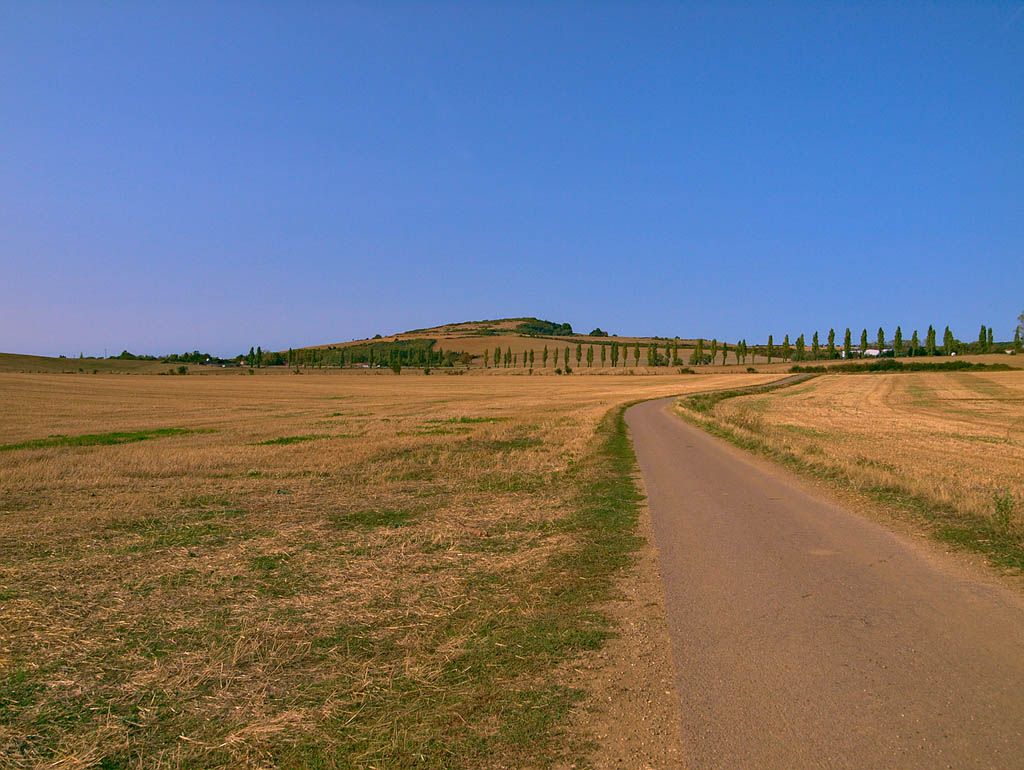
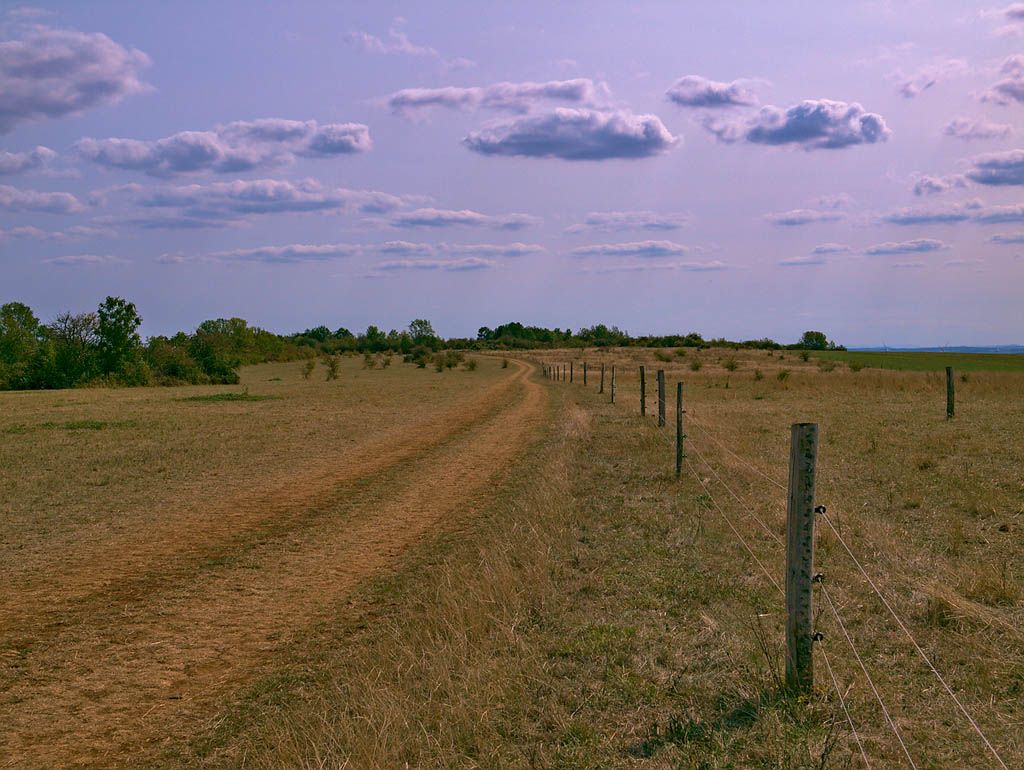
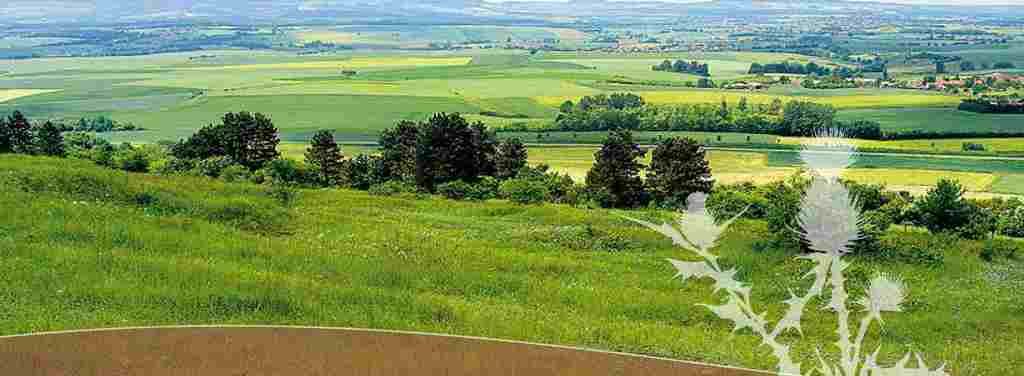
The Côte de Delme, along with the Côte de Bacourt, is the easternmost outlier of the Côtes de Moselle. At the summit of this hill, Bajocian limestone outcrops, resting on the marly layers of the Aalenian and Toarcian stages. Two areas of calcareous grassland, covering approximately 75 hectares, occupy the northern and southern extremities of the Côte de Delme. Like most of Lorraine's calcareous grasslands, the grasslands of the Côte de Delme have a very ancient pastoral origin. Sheep grazing continued until the 1960s. No other type of agricultural use (crops, hay meadows) has been practiced there. It is within these sparse grassy patches that the majority of orchids, of the genera Ophrys and Orchis, grow. Alongside the flora, the insect world is also a good indicator of the southern ecological conditions (drought, heat, and sunshine) that prevail on these coasts. The praying mantis, the mountain cicada, and the scarce swallowtail butterfly reach the northern limit of their geographic range in Lorraine. Several hundred species of butterflies, including dozens of rare species at the European level, inhabit the Lorraine grasslands. The migration corridors formed by the Meuse and Moselle valleys are particularly frequented by these sub-Mediterranean species. This site, recognized as a Natura 2000 area by the European Community, features orientation tables. Animals must be kept on a short leash. Free admission.