Bildstock Road
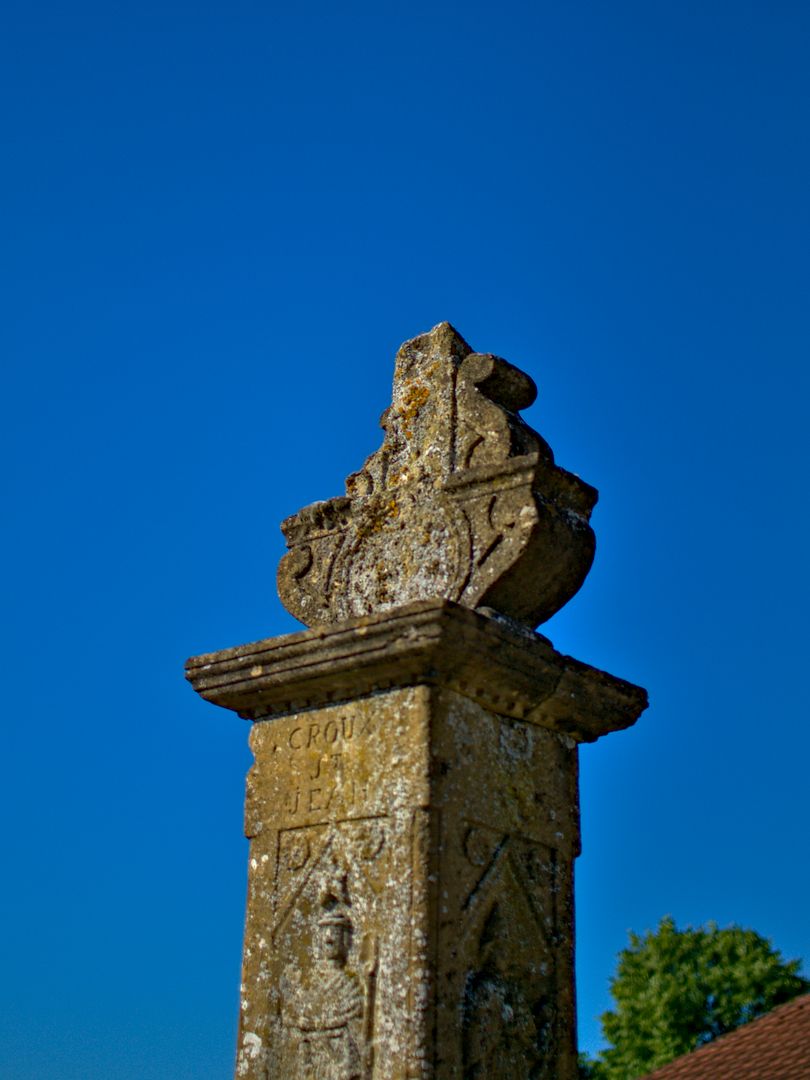
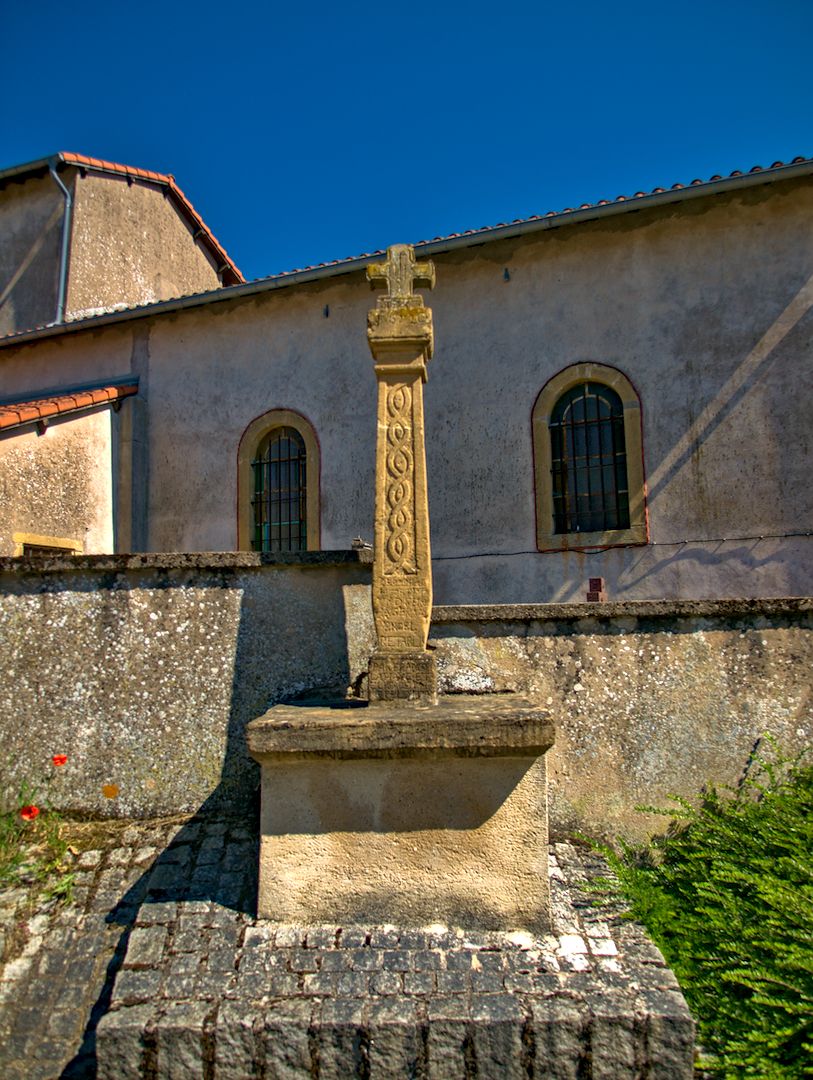
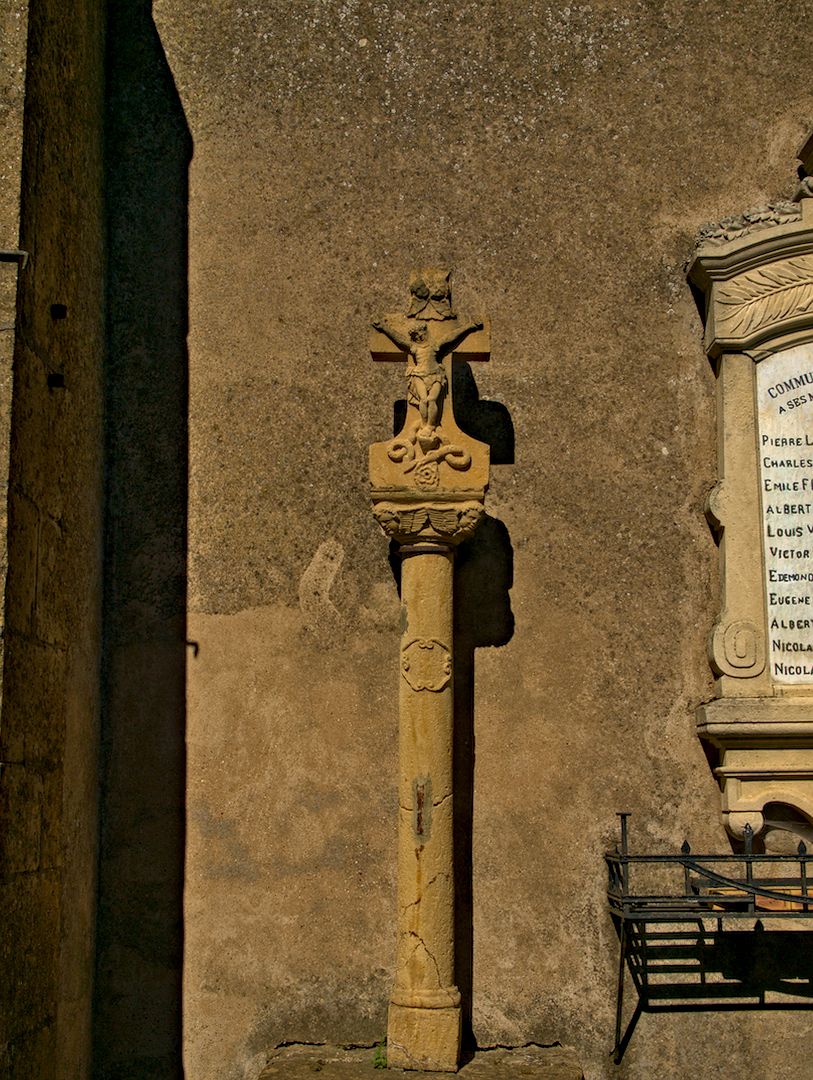
The term "bildstock," meaning "image" (bild) and "stick" (stock), refers to a post or pole bearing an image. Similar to a wayside cross, a bildstock is a religious monument made of wood or stone, erected either in streets or in villages. It is generally crowned with a niche containing an image of Christ on the cross or another saint, all protected by a canopy. All bildstocks differ in their shape, meaning, and structure. Sometimes they rest on an altar, sometimes they depict elements of daily life. Why do we see so many bildstocks in our villages? In the 17th century, the Thirty Years' War wreaked havoc on these religious monuments, except in the area around Thionville. Indeed, the Thionville region, which never belonged to the Dukes of Lorraine but remained Luxembourgish until the middle of the 17th century when the war was only temporary, has preserved a large number of bildstocks.