Verdun exceptional forest
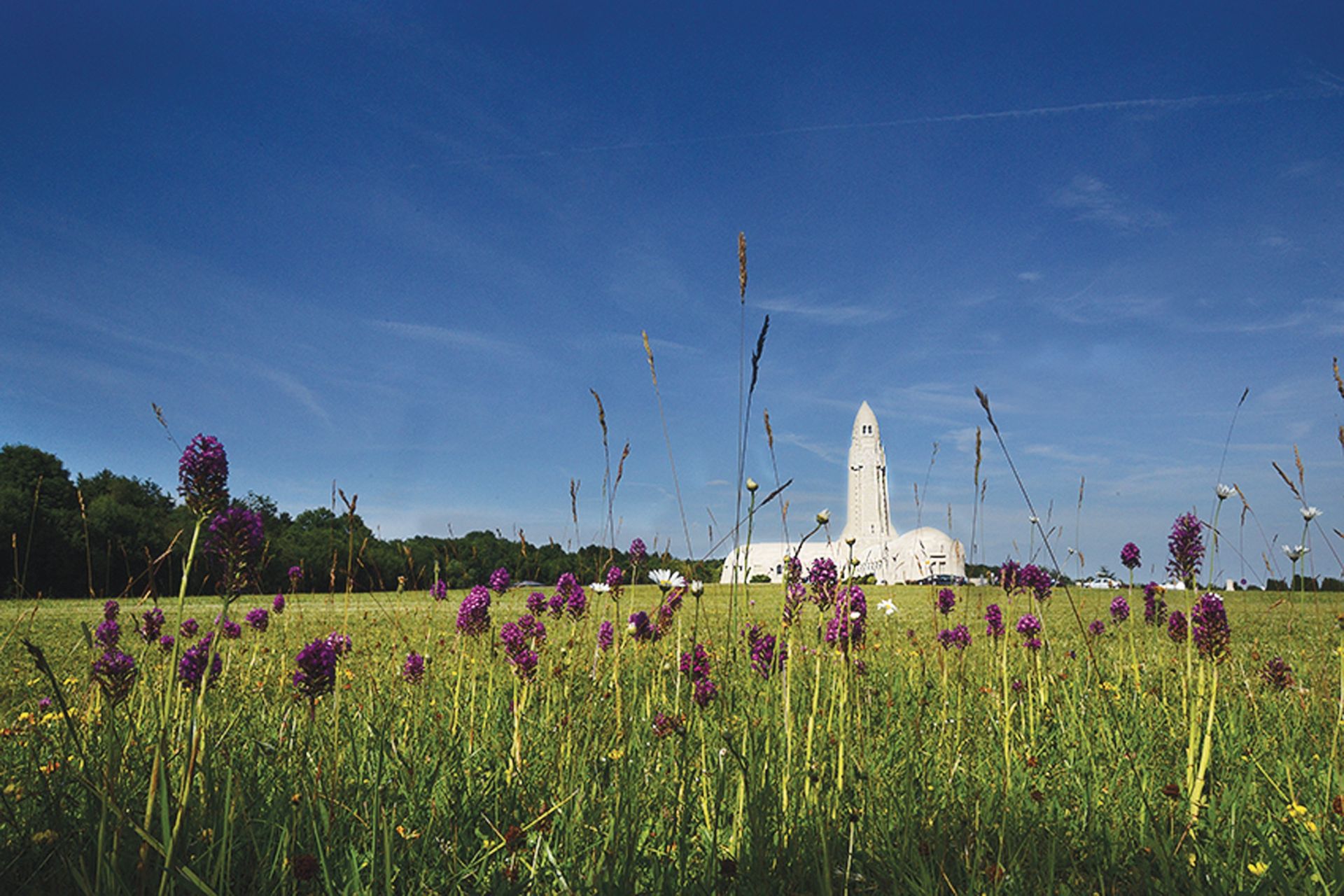
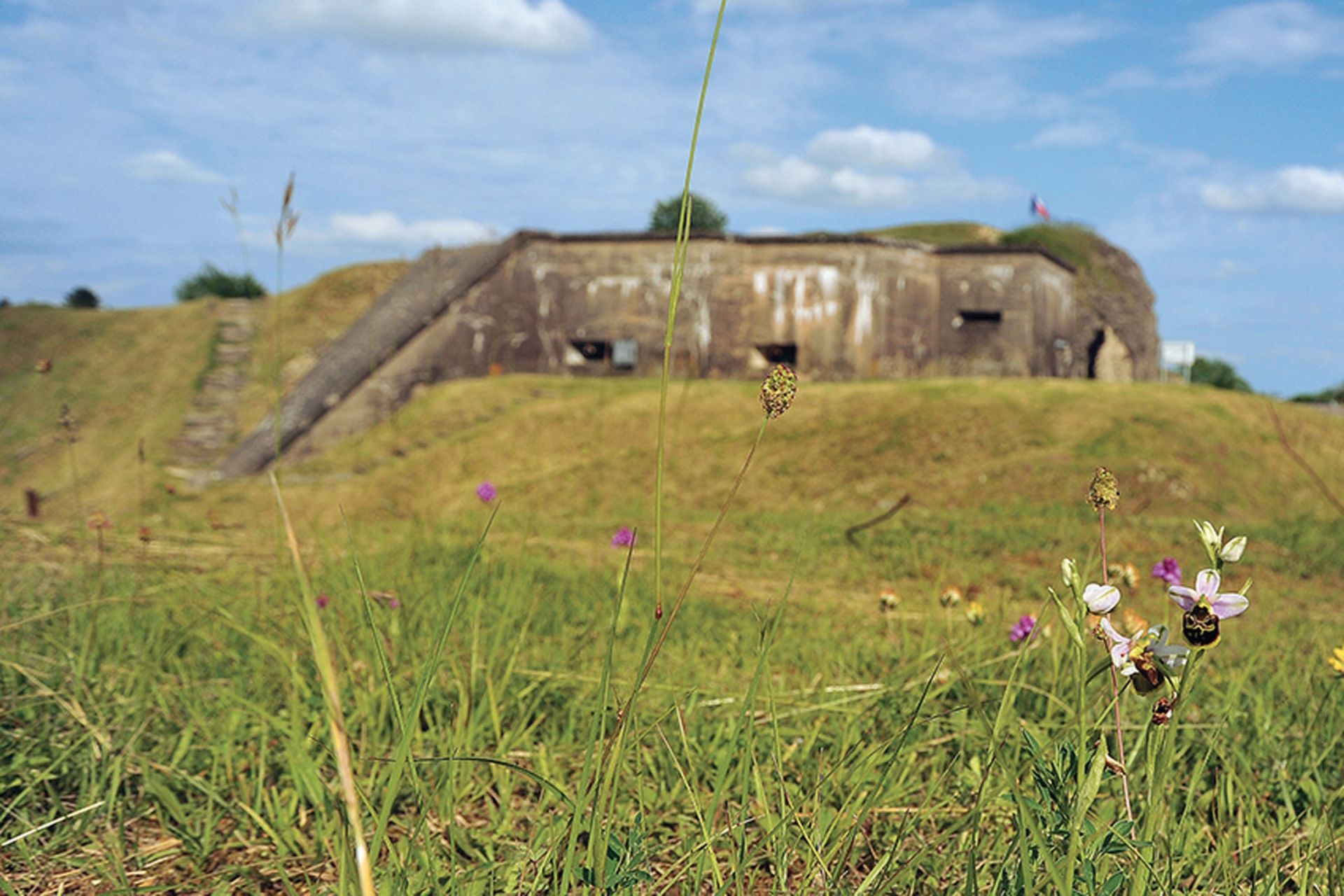
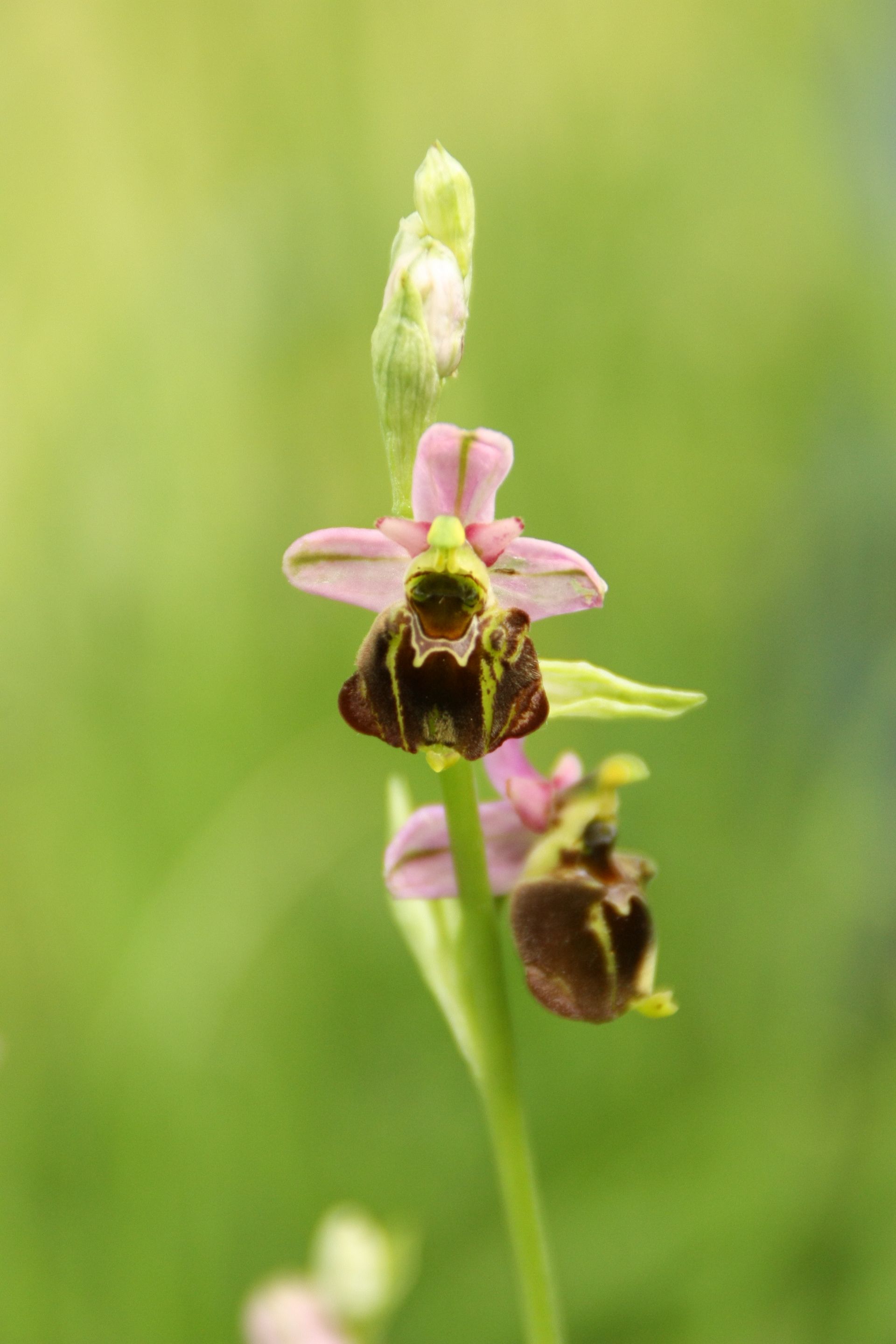
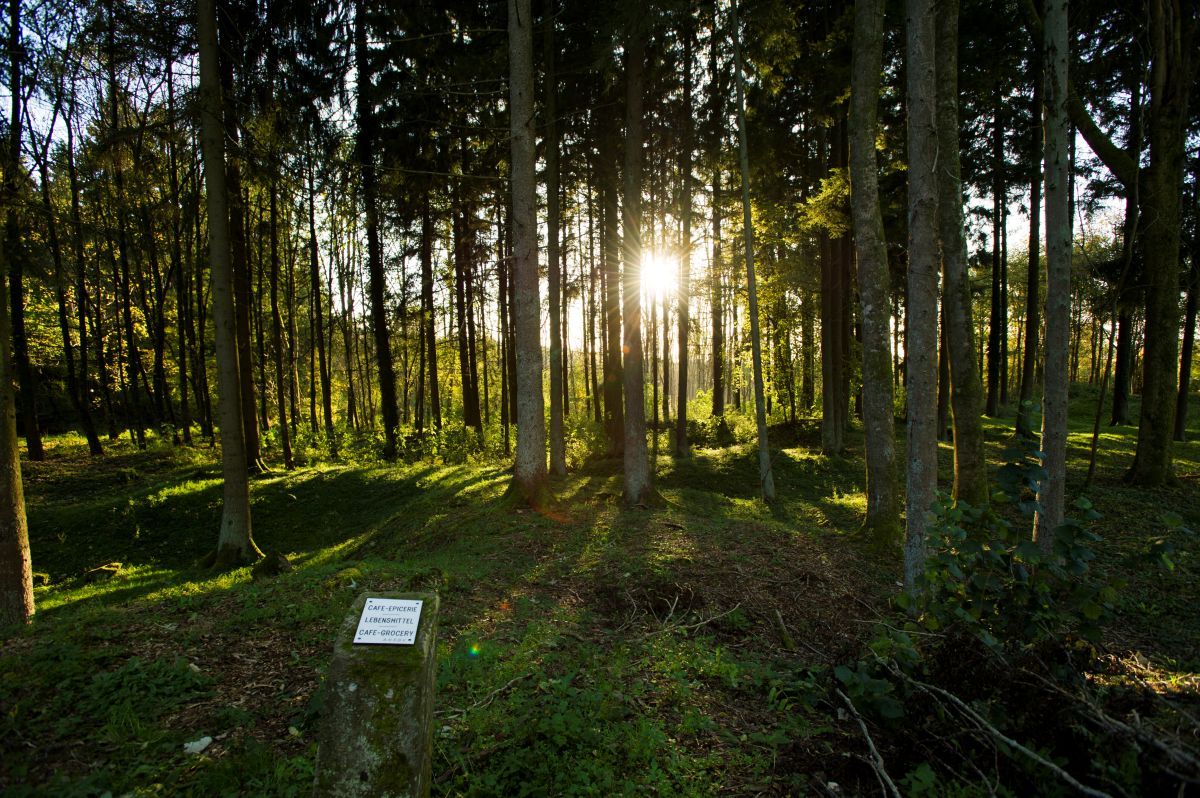
At the end of the First World War, the Verdun battlefield was nothing but a devastated landscape, a lunar wasteland littered with scrap metal and shells. It was also a vast cemetery for thousands of missing soldiers, scattered by the explosions. In the aftermath of the Great War, this "red zone" could no longer accommodate the activities of the past; the nine villages located on these plots would remain forever destroyed. After the mine clearance and surface clearing operations, the Water and Forestry Administration (now the ONF, the French National Forestry Office) was entrusted with the reforestation of the red zones, the Verdun zone covering 100 km². The sanctuary forest was created to protect this scarred place and preserve its memory. Today, the Verdun battlefield is a veritable open-air museum and also a natural area where protected species have made their home (orchids, newts, toads, and bats).