Vacherauville municipality
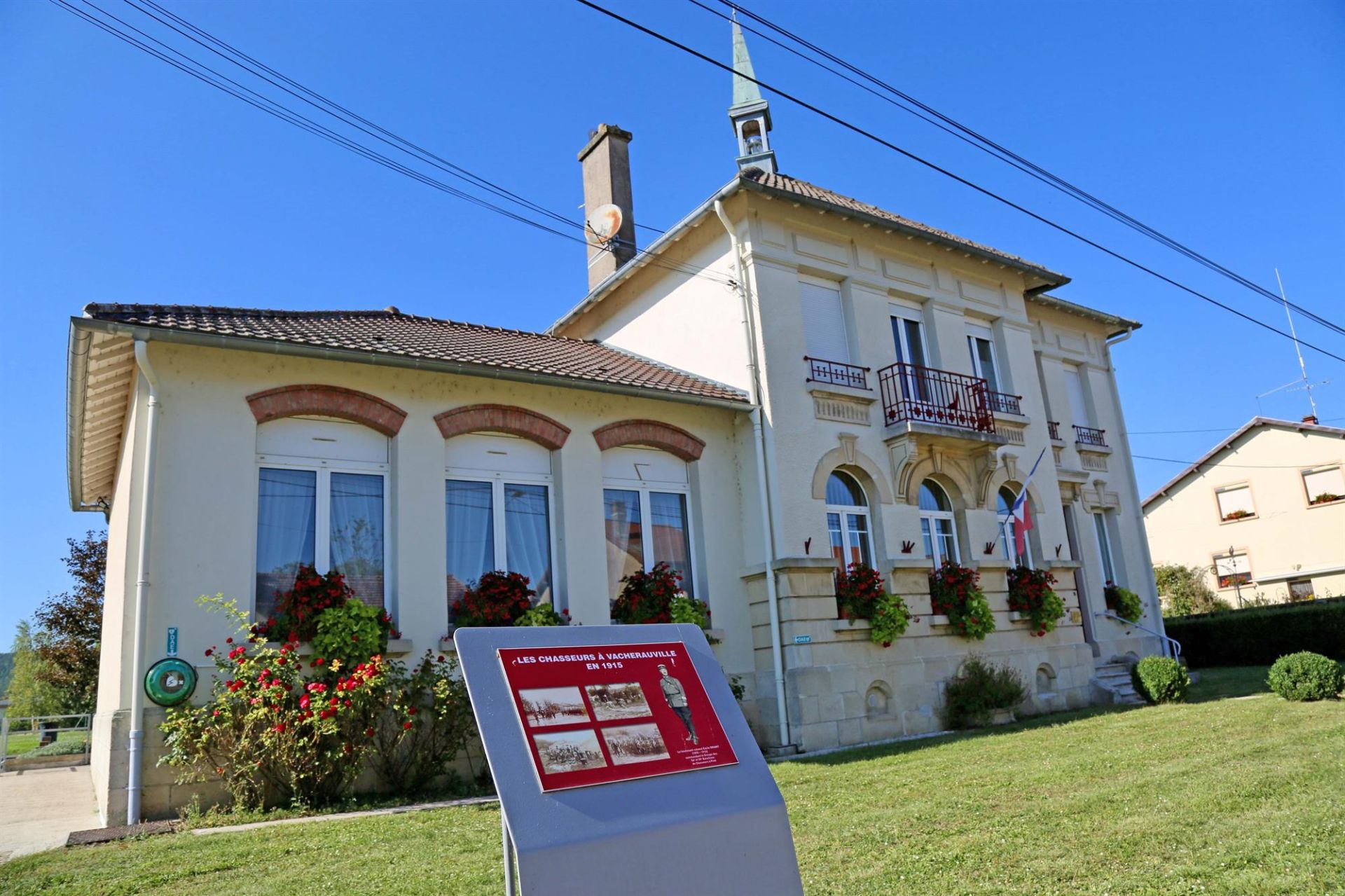
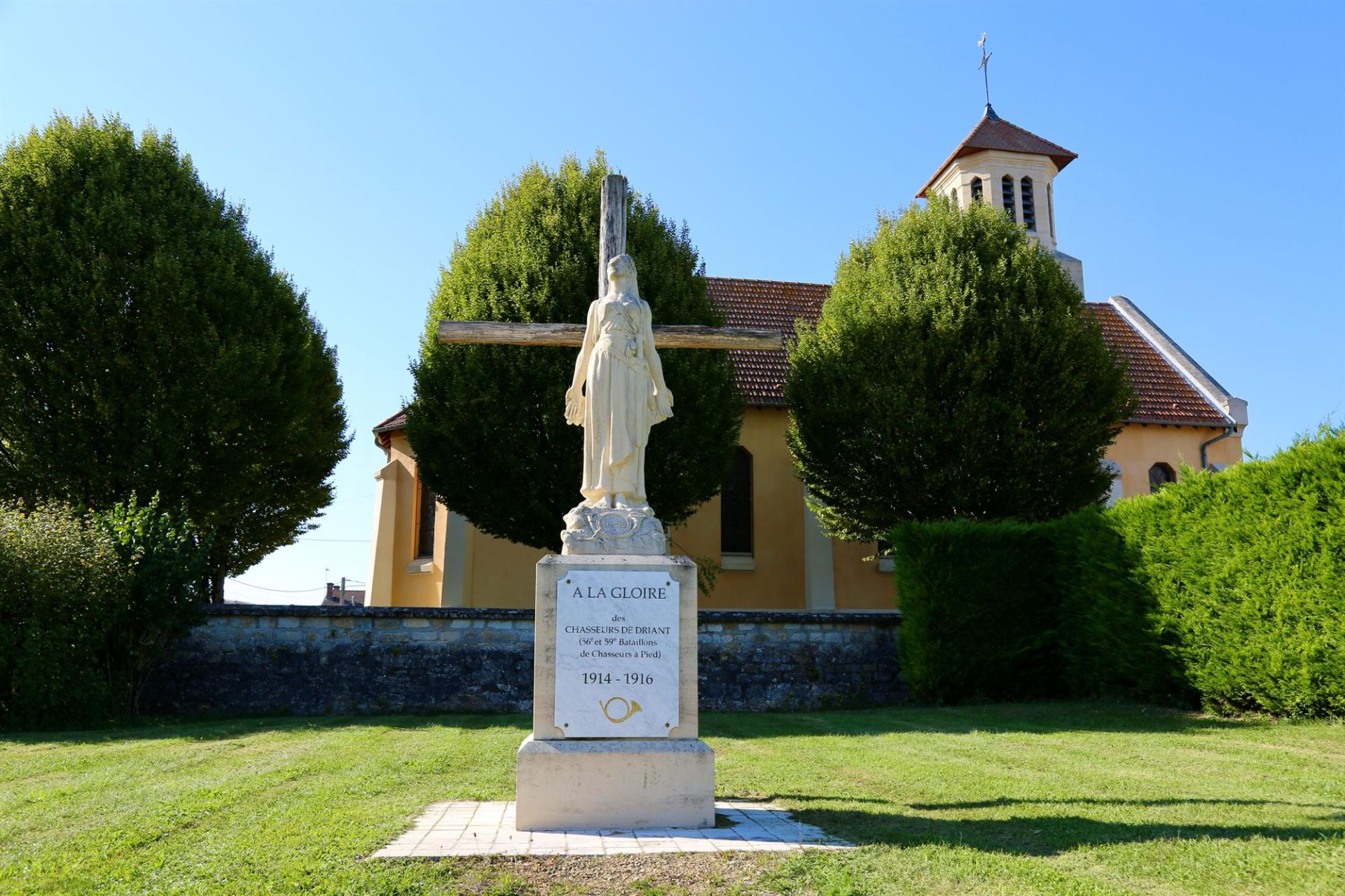
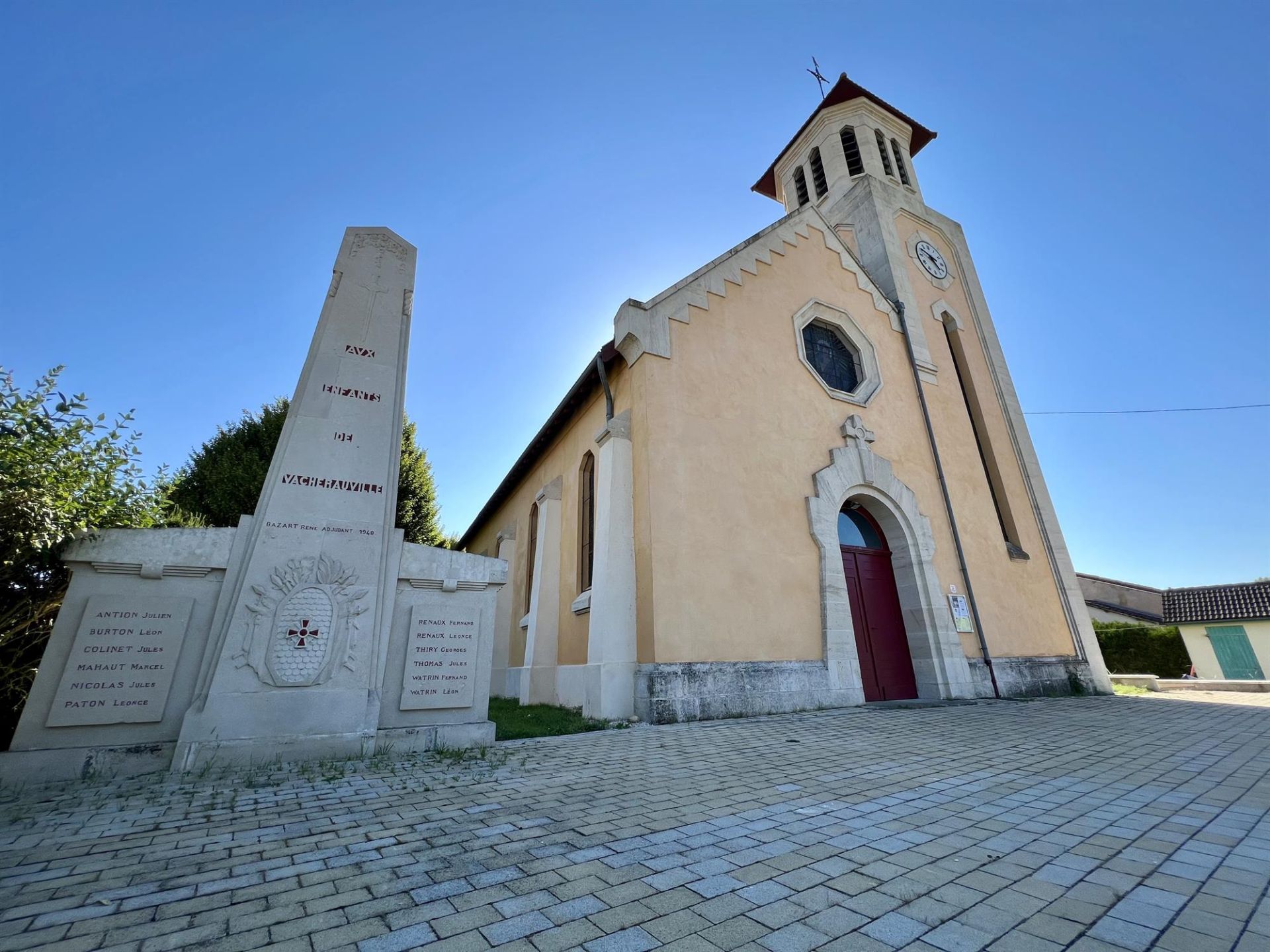
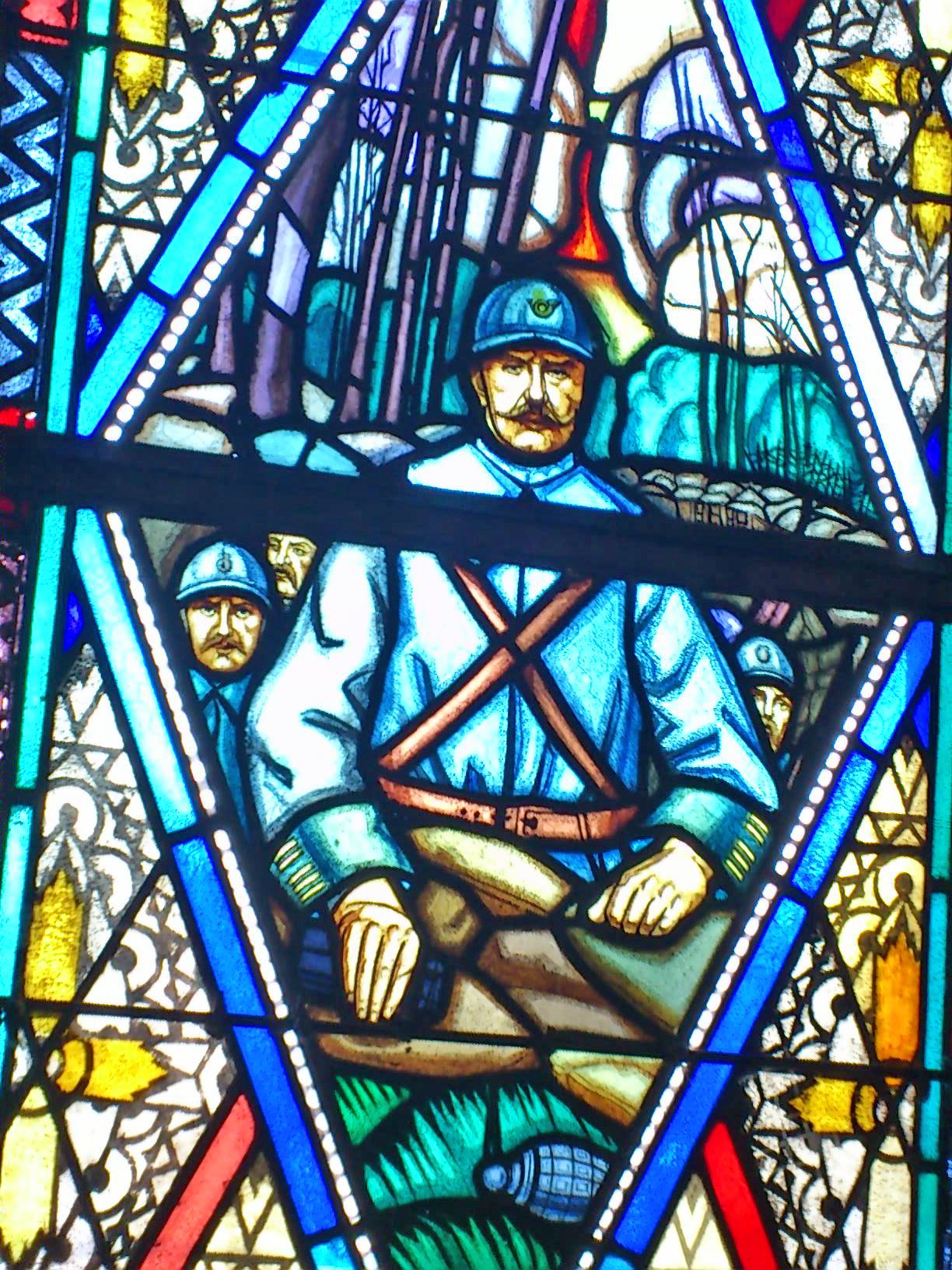
The village, first mentioned in 1047 and then again in 1049, was granted its freedom in 1316 by Gobert VIII of Apremont. While belonging to the Diocese of Verdun for ecclesiastical matters, it was one of the villages within the provostship of Charny. The bishop, the principal tithe collector, also held the high lordship and the right of high justice. After the French Revolution, the commune belonged to the canton of Charny. Small trades coexisted with the fish trade and the exploitation of renowned sand quarries, as well as agriculture, including vineyards, until the phylloxera epidemic of the early 60th century. Located during the First World War on the path of major attacks against Verdun, Vacherauville was subjected to the most intense bombardments and fierce assaults that completely destroyed it. Sixty percent of the evacuated population returned to rebuild the village and settle there. Heavily damaged again in May 1940 by a bombing raid intended to halt the German advance, it was once more the site of fierce fighting in June, before being occupied. On July 21, 1944, Colonel Von Stulpnagel attempted suicide there following a failed plot against Hitler. After the war, the town was awarded the Croix de Guerre (War Cross). With a significant population decline and its gradual transformation into a commuter town, Vacherauville could no longer be self-sufficient and had to rely on inter-municipal cooperation.