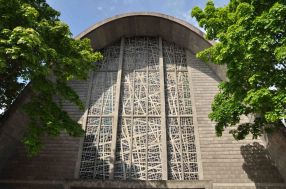
Place des Carmelites
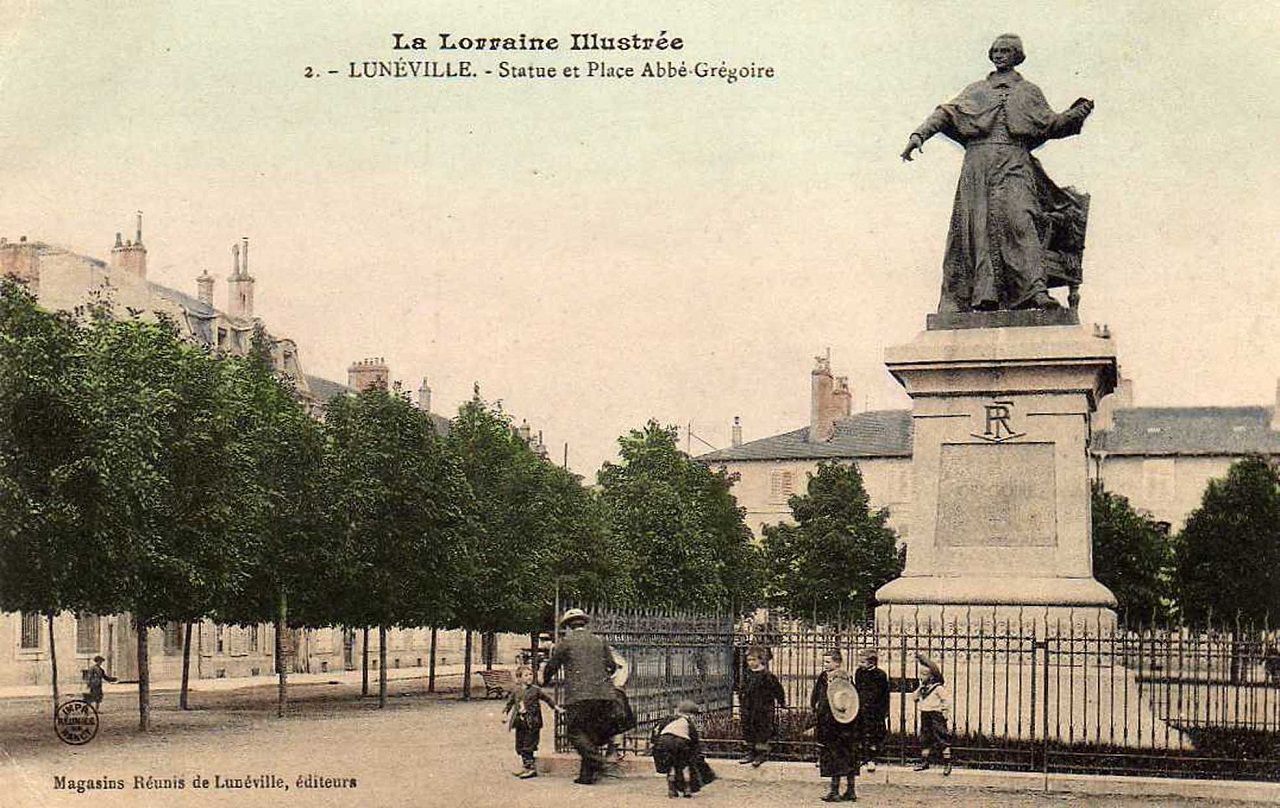
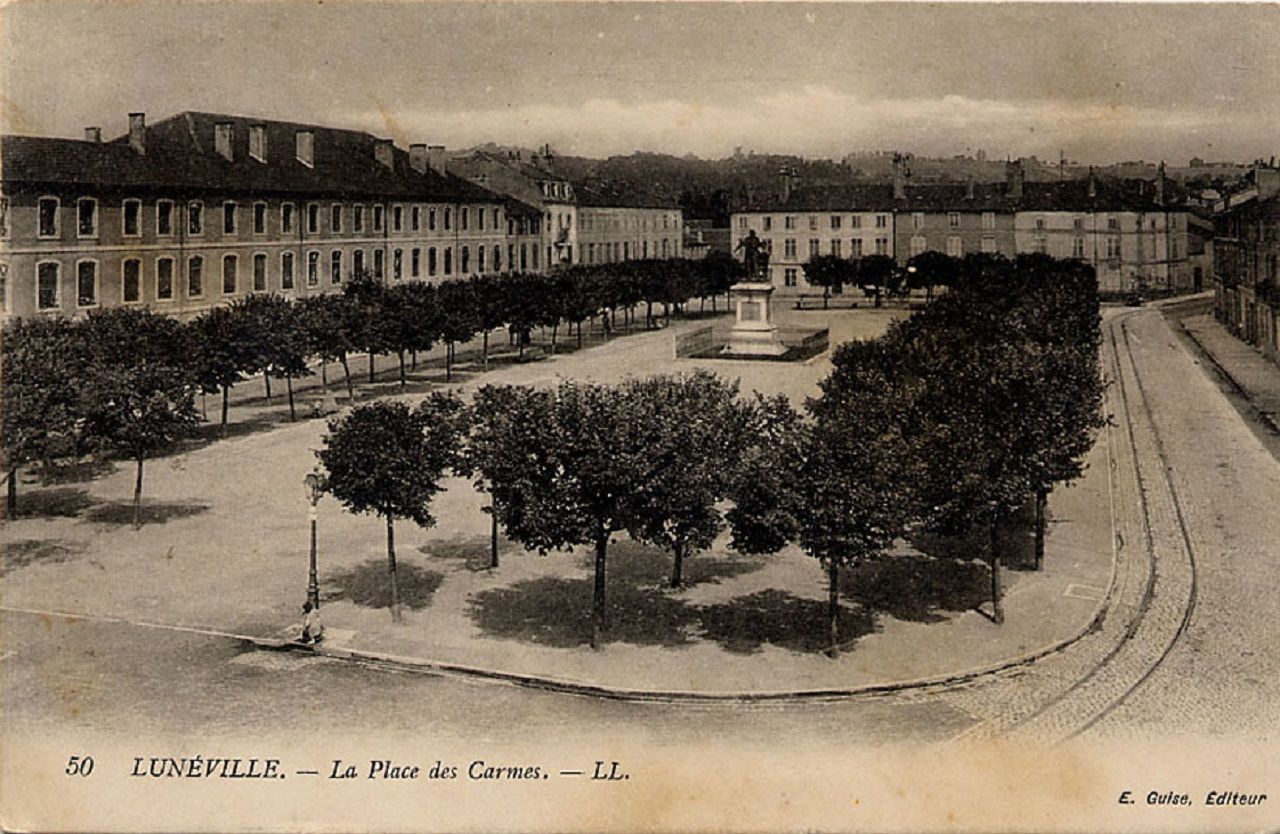
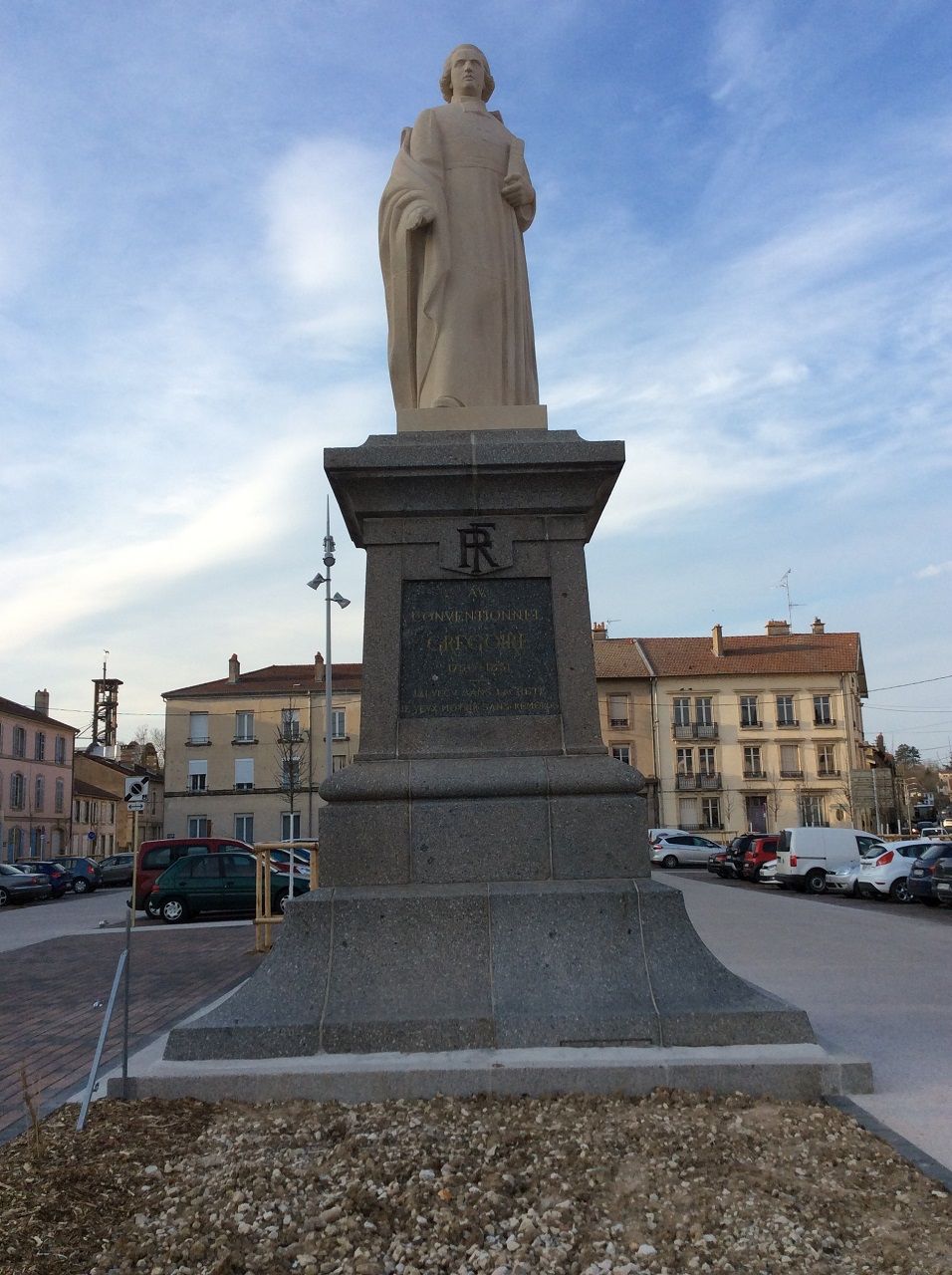
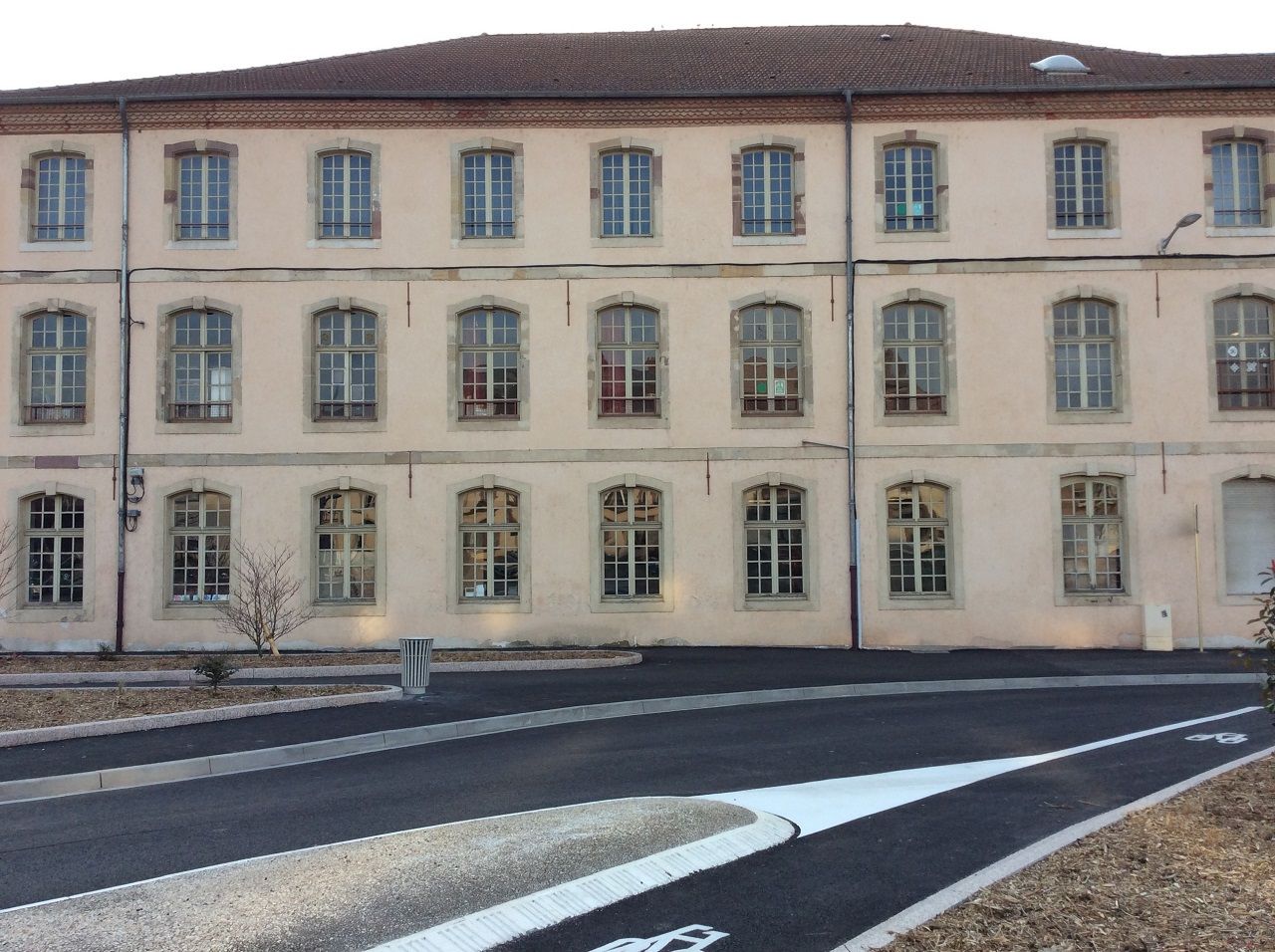
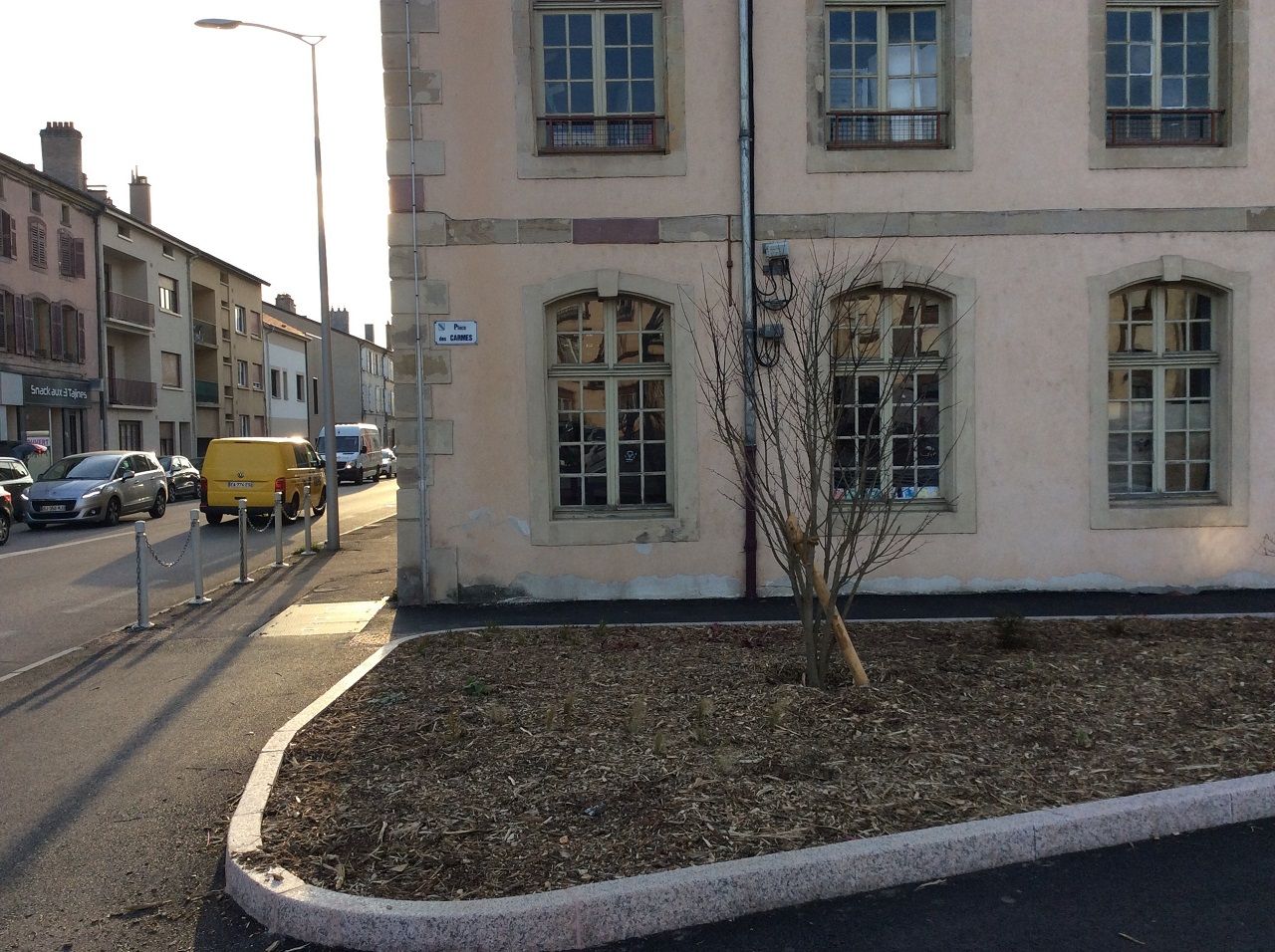
Upon Duke Leopold's arrival in Lorraine, the consequences of the wars were considerable: at least 80 villages had disappeared and many others were ruined. To revive the population, the Duke encouraged immigration as early as 1698 by granting foreigners land, a promise of naturalization, and tax exemption for 6 to 10 years. This policy contributed to the population growth of Lunéville, which increased from about thirty households in 1638 to approximately 2,000 inhabitants in 1702. Faced with this growth, Leopold implemented a comprehensive urban plan. Designed in 1711 by Christophe André, the Place Saint-Léopold (now the Place des Carmes) was inspired by Italian squares, but featured a statue of the Duke's patron saint rather than that of the prince. Linked to the heart of the city by Rue Chanzy, it became a model of urban planning, based on straight lines, rigorous alignments, and harmonious architecture. Two prestigious buildings reinforced this ensemble: a barracks to the west and a Carmelite convent to the east. Unfortunately, the destruction of the two World Wars preserved only the northern part of the square and a section of the former barracks. Source: Heritage Department of the City of Lunéville.