Sites & monuments
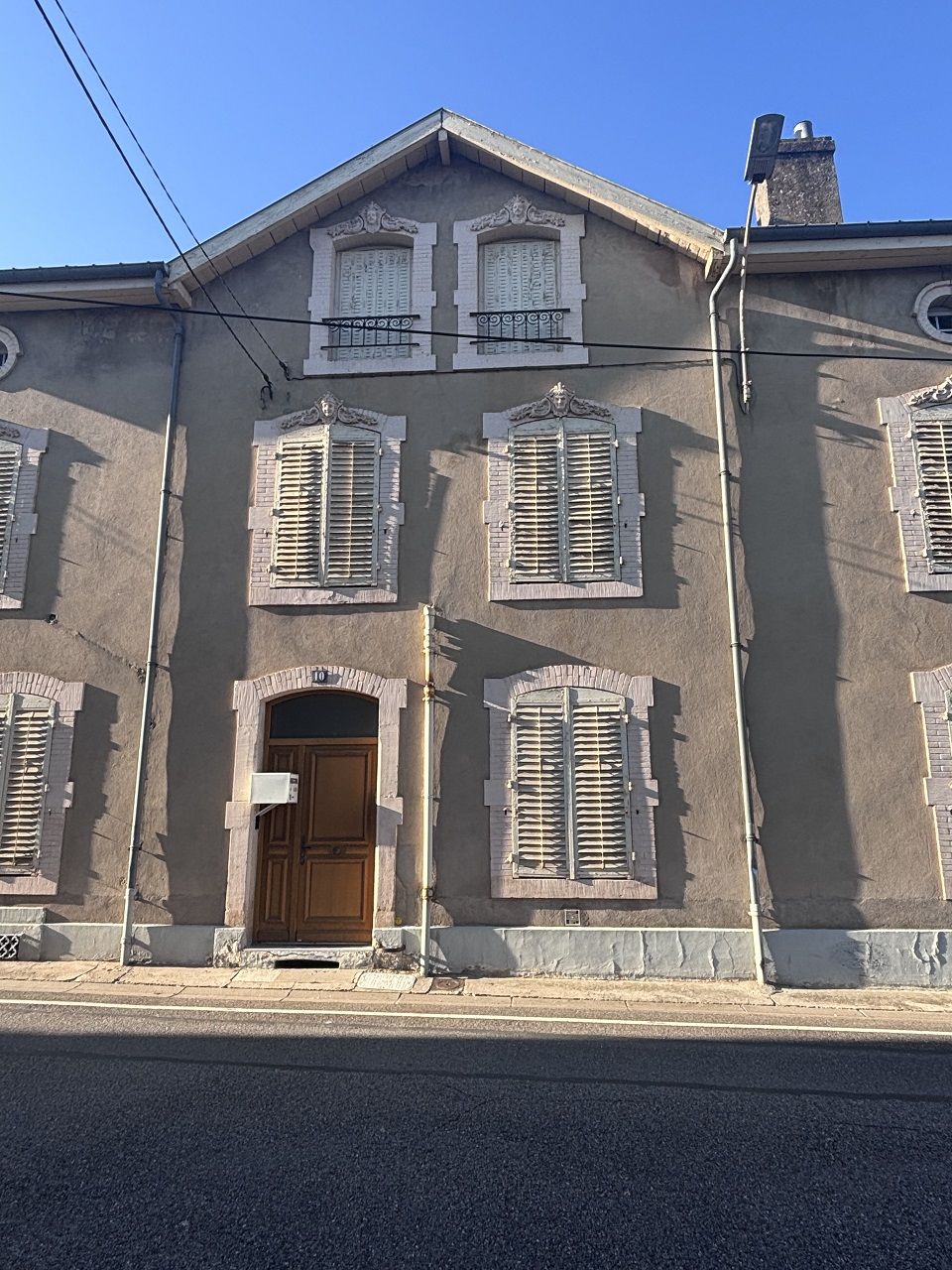
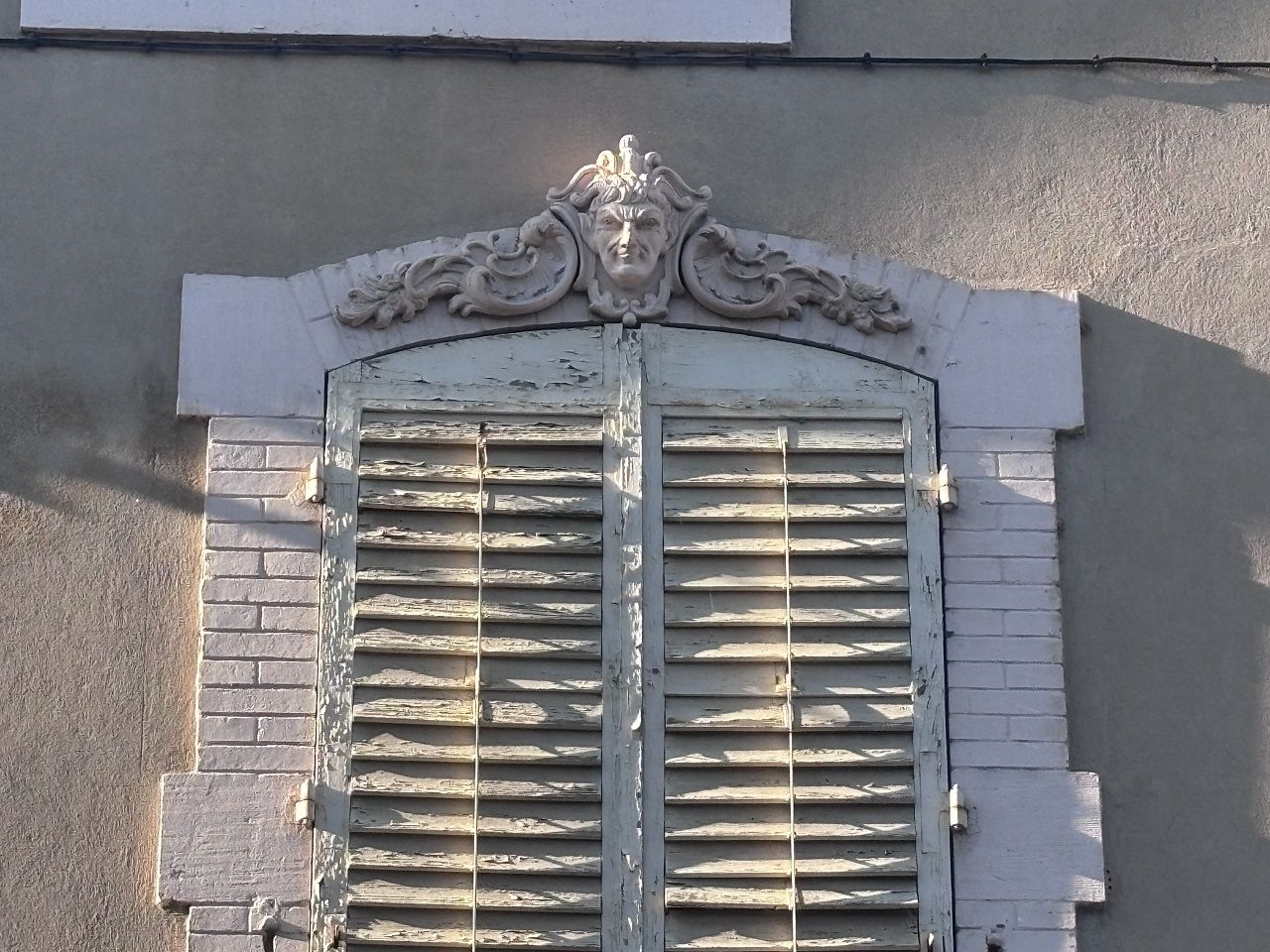
House of Masks
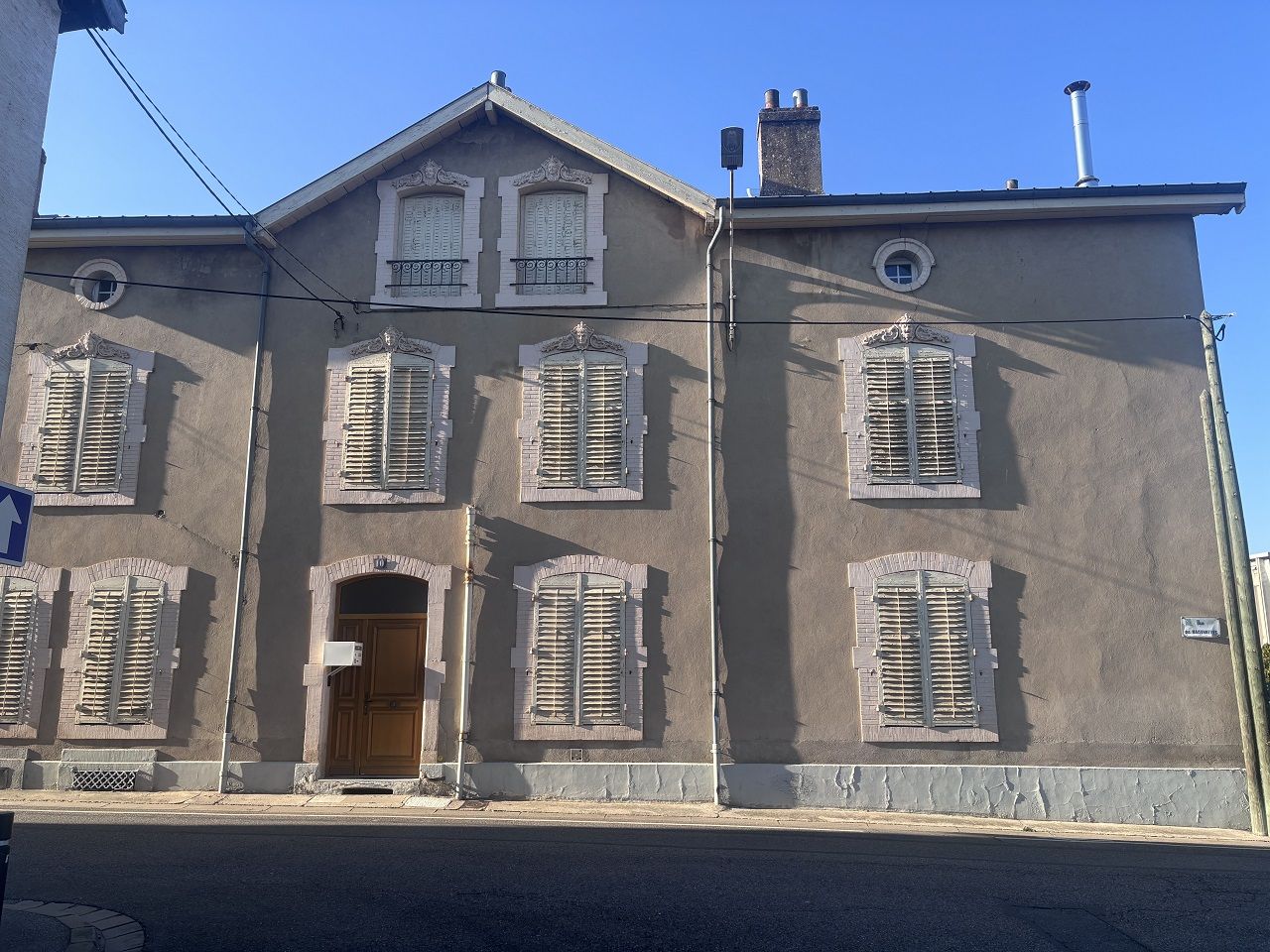
Nancy's Art Nouveau style influenced the development of Lunéville, which became a border town after the Treaty of Frankfurt in 1871. The arrival of Alsatians and Moselle residents, particularly prominent industrialists, fostered its economic prosperity. Thanks to Nancy's architects and the Lunéville-Saint-Clément potteries, the decorative arts experienced a revival during the Belle Époque. Built before 1908, this house is distinguished by its terracotta bas-reliefs adorning the window lintels. These masks represent the different stages of life: children, parents, and a bearded man symbolizing old age. Source: Petit Patrimoine.