Destroyed village
de vaux devant damloup
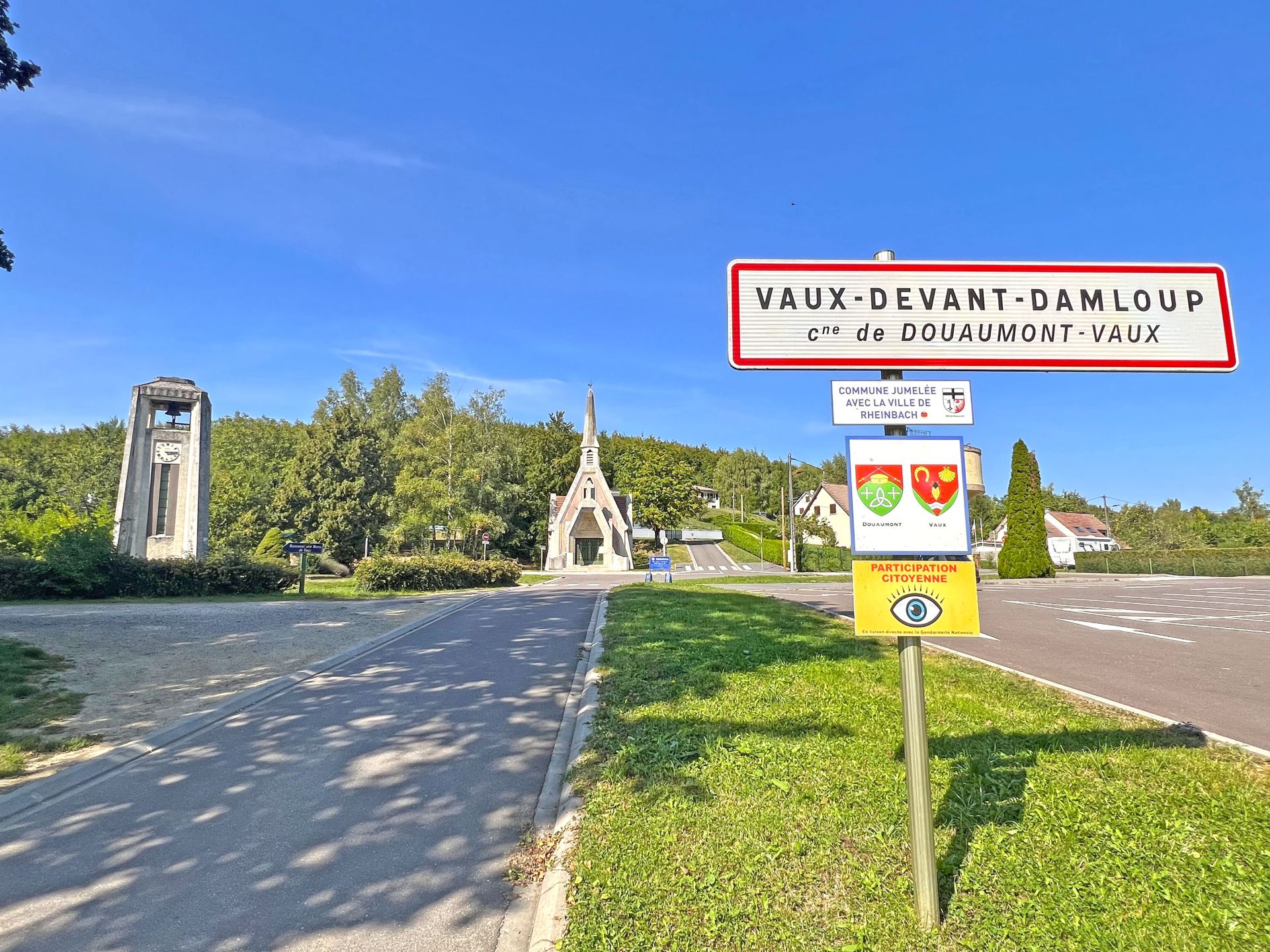
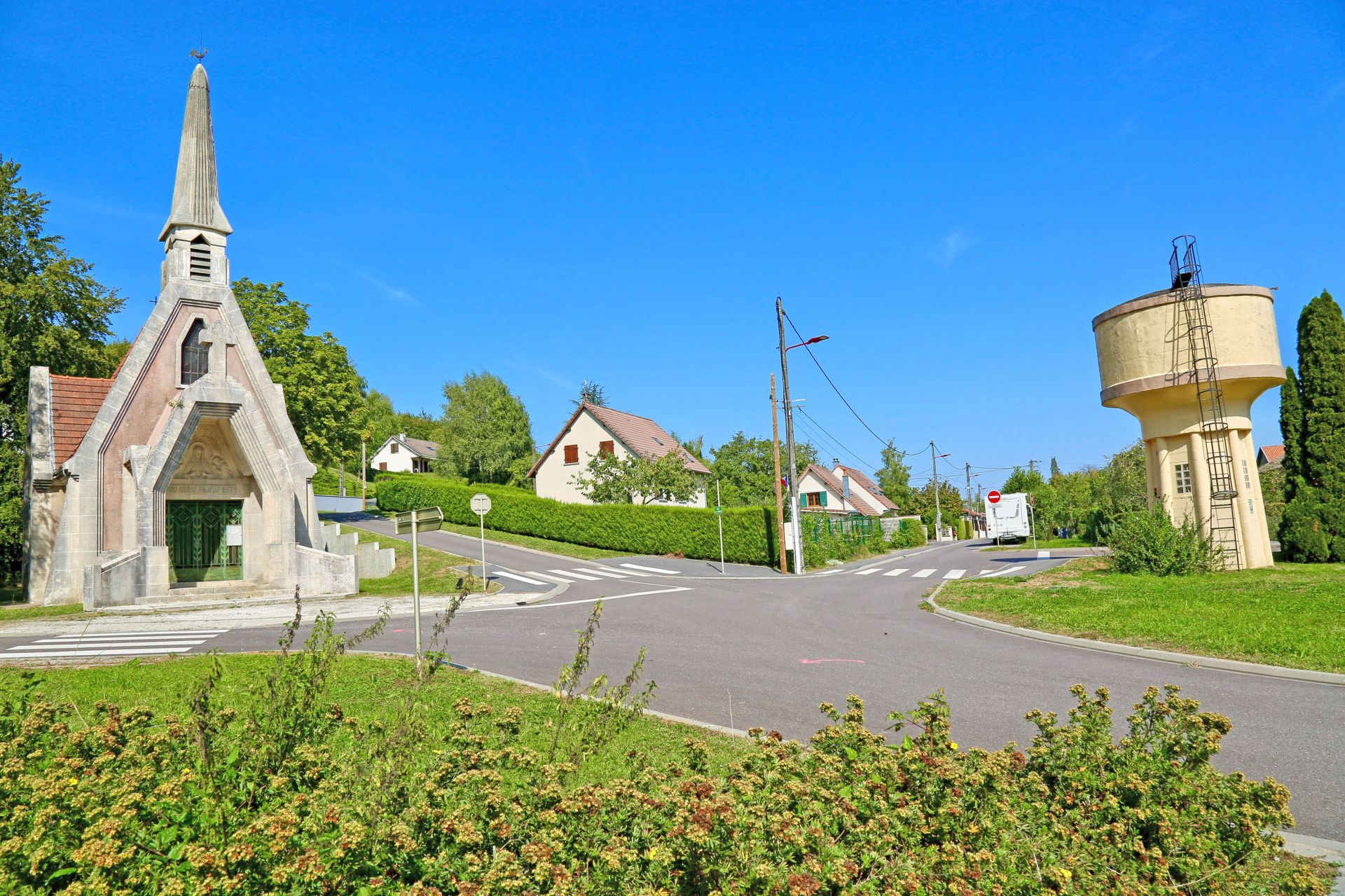
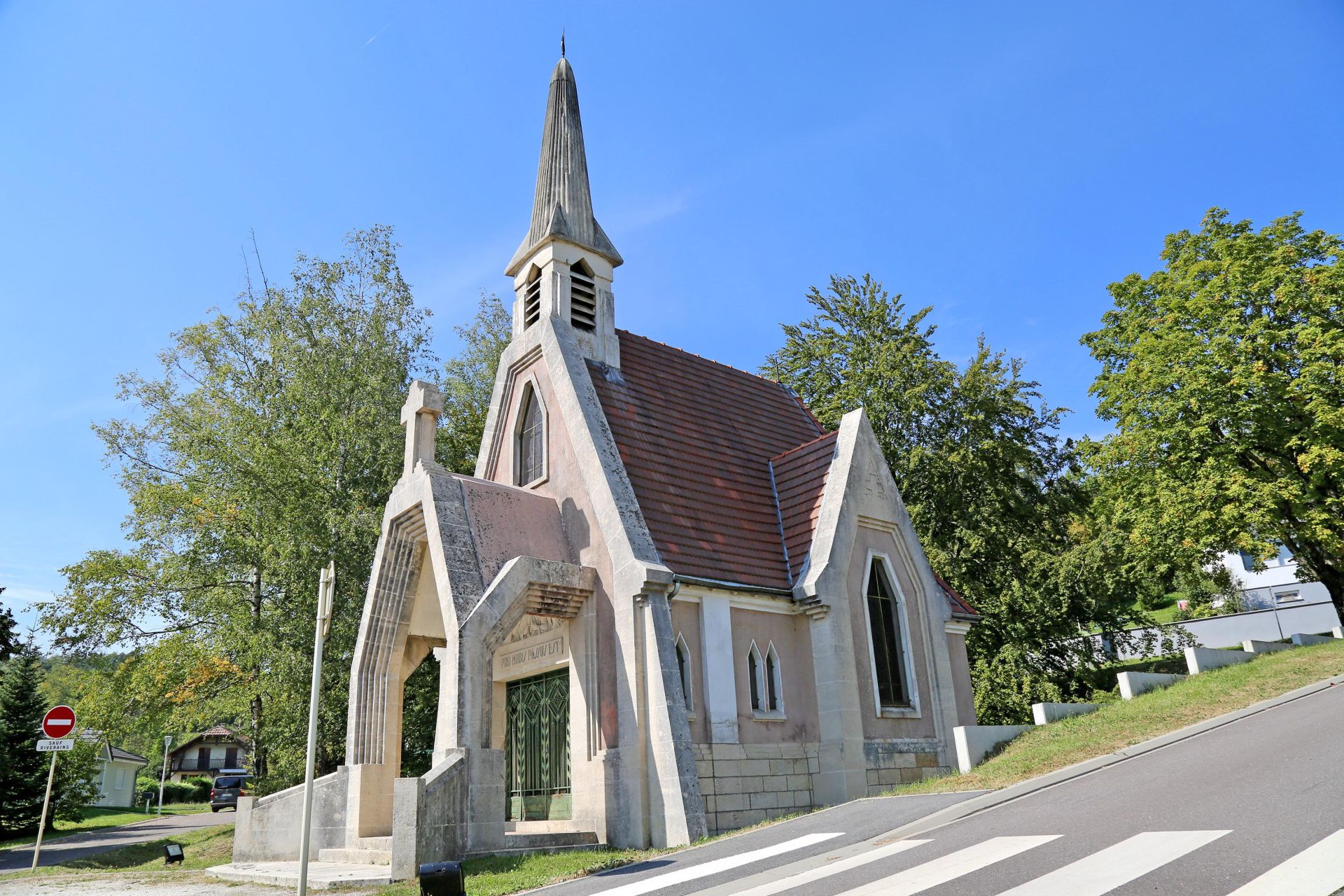
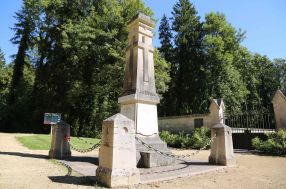
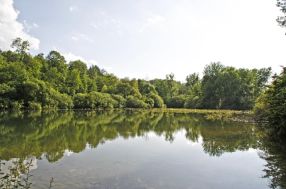
Due to ash dieback (a disease caused by a parasitic and microscopic fungus), some trees and branches in the Forêt d'Exception® of Verdun are weakened and at risk of falling. For security reasons, this site should be avoided. For more information on www.tourisme-verdun.com Vaux-devant-Damloup is a unique destroyed village because, being on the edge of the "red zone", it was able to rebuild, over time, a new small village, very close to the old destroyed village which has the same characteristics as its eight unfortunate companions. Belonging to the Chapter of Verdun before the Revolution, it has always been a prosperous village throughout its history. The presence of Fort de Vaux nearby has always somewhat disrupted the course of the village's history. Indeed, from its construction between 1881 and 1884, the village was widely used to help house the many workers who took turns working there; just as during the major reinforcement work undertaken on the Fort from 1888 to 1912. In 1915, the decision by the general staff, aimed at partially disarming all the forts, transferred the defensive effort particularly to the villages. Therefore, Vaux, located to the north of its fort and in contact with the Woëvre plain, naturally becomes an important point in the defense system of the entrenched camp of Verdun. During the major German offensive, launched at the end of February 1916, it was one of the major objectives of the Germans after the capture of Douaumont, which fell on March 2, and before that of Fort de Vaux. After fierce fighting within its walls, the village fell into German hands on March 31, 1916. The French bombings of April followed the German bombings of March, only accentuating the complete annihilation of the village. After the fall of the village, the German 50th Division hastened to try to seize Fort Vaux, which resisted heroically from June 2 to 7, 1916 under the command of Commandant Raynal. This tragic episode became a forever famous feat of arms, because the garrison, short of drinking water and fighting in the galleries of the Fort for days, finally surrendered to the Germans who, admiring the valor of the surviving soldiers, decided to give them military honors as they left the Fort. In 1918, the village of Vaux-devant-Damloup found itself within the limits of the famous "red zone" prohibiting any reconstruction. In 1919, it was also part of the list of destroyed villages and, during the interwar period, its war memorial and the Saint Philippe and Saint-Jacques chapel-shelter were built there, like the eight other destroyed villages. However, its position on the edge of the zone and the presence of the railway line of the Eastern Railway Company, which obtained permission to house its ten service agents on the site of Vaux-devant-Damloup, allowed the village to find, over the years and from the interwar period, a new life, now very active, turned towards the future and in particular the Internet, without denying the tragic past of the old destroyed village, still present at its door and in the memory of its 70 inhabitants. To see: - The Saint Philippe and Saint Jacques chapel-shelter; - The war memorial in honor of the Poilus who died at Vaux (it bears the inscription: "They shall not pass"); - The Vaux fort; - The Vaux pond; - War memorial of the 1st Battalion of Chasseurs à Pied, near the pond; - Stele in memory of the aviator Dussumier-Latour, shot down on June 2, 1916 on the dike of the pond.