The Battle
from the Baccarat bridge
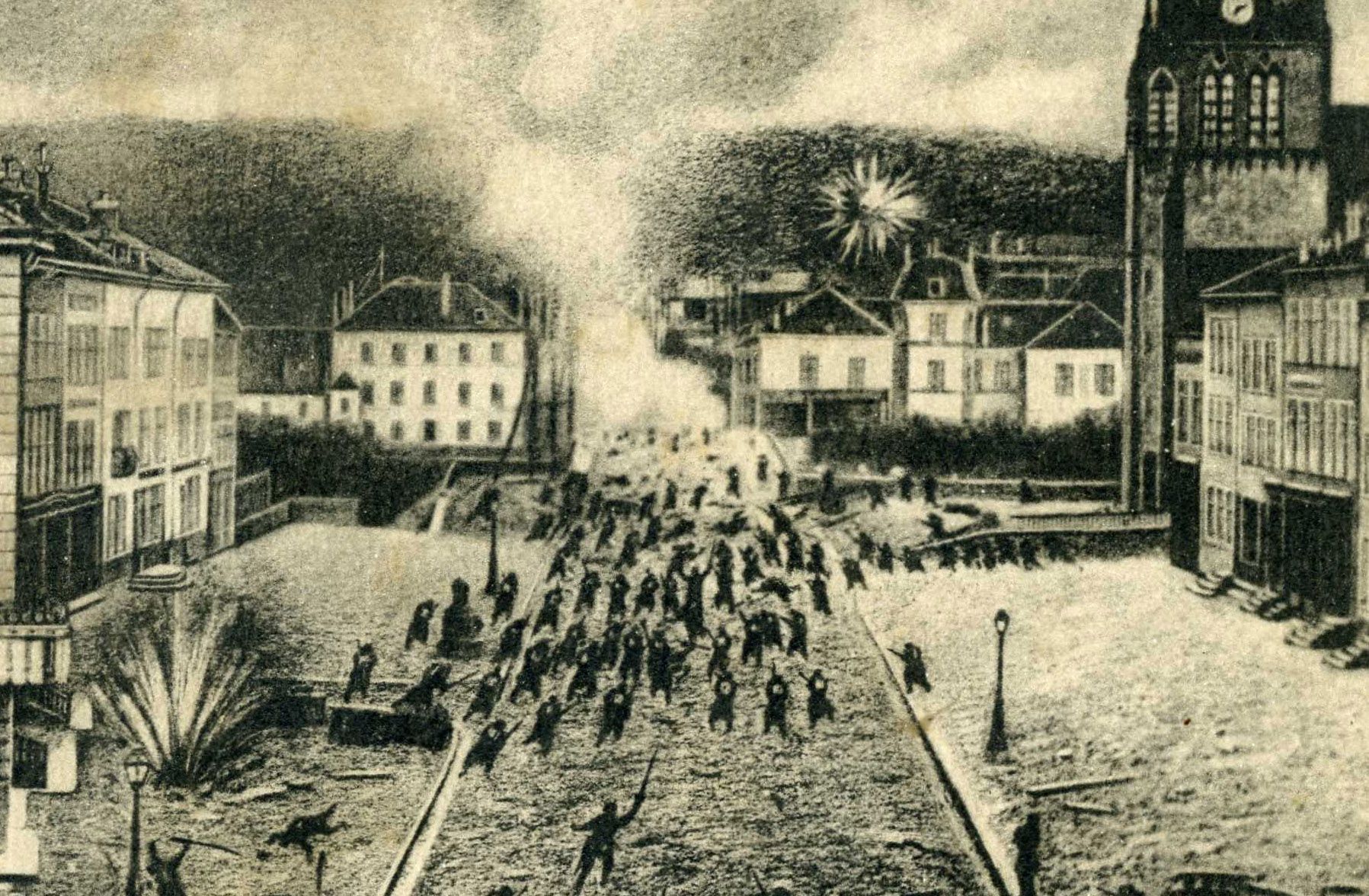
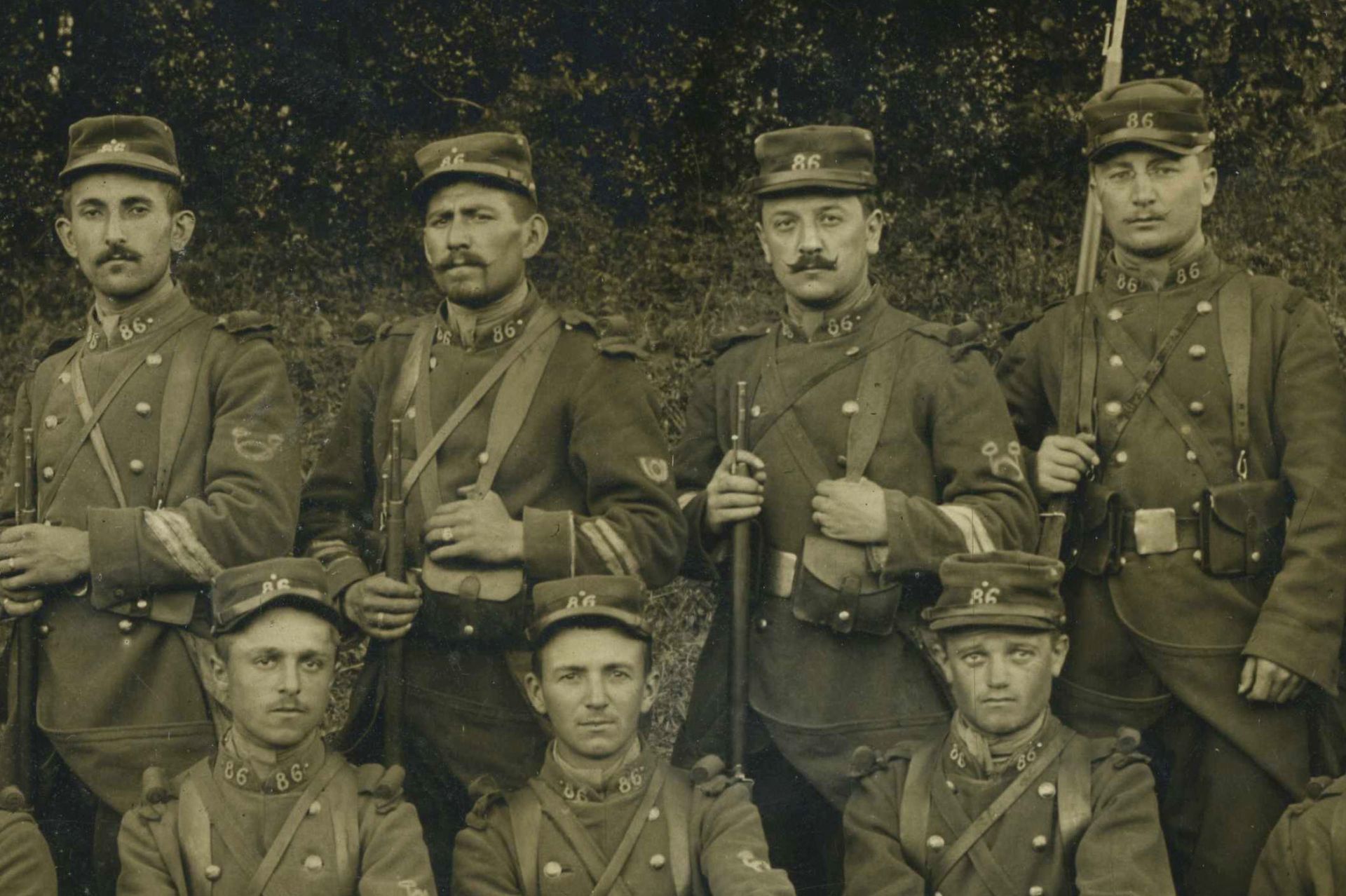
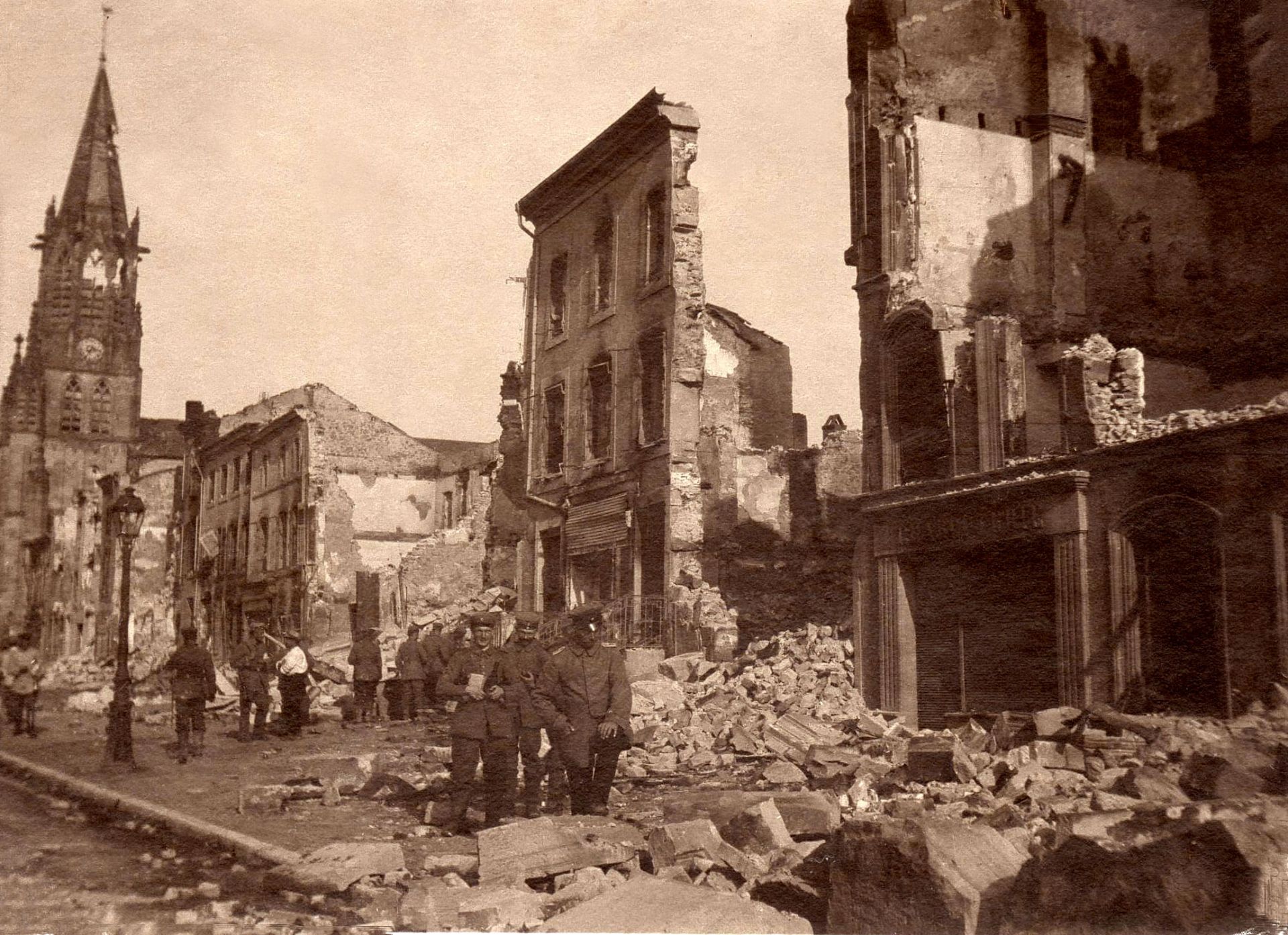
During the First World War, the great bridge of Baccarat was the scene of a deadly battle on August 25, 1914 (details available at the Baccarat Tourist Information Center). In the early morning, the 86th Infantry Regiment of Puy-en-Velay attempted to regain a foothold on the right bank of the Meurthe. Three assaults were made on the bridge, while the Bavarian troops had placed several machine guns, preventing any crossing of the structure by the French. More than 90 people were killed and as many wounded on the bridge. On that tragic day, in the fighting that took place in the town and around Baccarat, the 86th RI has lost a large part of its workforce. Following this battle, the business district (Rue des Ponts then, which became Rue Adrien Michaut) caught fire and the destruction work was then completed by hand by German troops. From August 14, 1914, the French forces (1st and 2nd Armies) crossed the 1870 border and advanced into annexed Moselle against German troops who only fought rearguard battles. Success seems inevitable. Unfortunately, on August 19 and 20, the French found themselves trapped in front of Morhange and Sarrebourg, and were then forced to retreat with heavy losses. The border has therefore crossed back in the opposite direction. The French Army left its elite troops to fight rearguard battles to delay the German advance, while the bulk of the forces retreated. On the evening of August 24, after heavy fighting at Gélacourt and Merviller, the last French defenders left Baccarat and headed towards Ménil-sur-Belvitte. The city is invested by German soldiers. The Baden people took up position along the railway line at the Château des Cristalleries. The Bavarian troops, for their part, are only passing through and are quartered at Badménil. The watchword for August 25, in the French camp, is to counterattack along the entire line. A night attack was therefore decided upon in order to reinvest Baccarat and regain a foothold on the other bank of the Meurthe. The colonials (5th and 6th RIC), who had fought tirelessly for over a week, were first alerted; but, given their extreme state of exhaustion, the attack fell to two line regiments. The 86th RI, coming from Puy-en-Velay, will be in charge of the main attack. It will be supported by units of the 38th RI of Saint-Etienne. The troop set off at night and, having arrived at the gates of the city, the elements of the 38th took up position opposite Badménil, in the Bois de la Rappe. This is to protect the left flank of the 86th RI of an attack by the Bavarians. The first French soldiers entered the town and silenced the sentries who lined the route between the entrance to the town (towards Rambervillers) and the main bridge. A sentry managed to escape, then alerted a patrol standing guard in front of the Hôtel du Pont and another guarding the crystal works footbridge. The alert was therefore given at 3:45 a.m. Two companies managed to cross the bridge and headed towards the station, where they encountered the Baden resistance line. In their haste, they left aside the Glassworks, which they thought was heavily occupied, as well as the Castle where the entire Baden General Staff was located. Machine guns arrive on the terraces of the Château, facing the bridge, which quickly prevent any passage across the large bridge. The French waves follow one another, trying to break through to join their comrades who have already passed through, but are pinned down by enemy fire. Some tried to ford the Meurthe, but had to retreat very quickly. An attack was also attempted from the Cristalleries footbridge, however it was taken under heavy artillery fire. French machine gunners took up positions in the church bell tower, but were dislodged by cannon fire. All the attacks were courageous, although in vain, and, faced with the impossibility of crossing the bridge, the men of the 86th began a withdrawal in the middle of the morning. It was a retreat threatened by a German attack which crossed the Meurthe to the east of Baccarat, and began to climb the slopes of Deneuvre. The elements of the 38th also had a hard morning. From the start of the attack on the great bridge, the Bavarians stationed at Badménil set out to attack the left flank of the 86th. They were met by the machine guns of the 38th, which wreaked havoc in their ranks. They nevertheless reached the Bois de la Petite Rappe, where a bloody hand-to-hand fight began. The 38th gradually disengaged, despite having fulfilled its mission: to protect the withdrawal of the last soldiers of the 86th coming from Baccarat. Later in the afternoon, the 86th RI will launch another attack in front of Ménil-sur-Belvitte. Its leader, Colonel Couturaud, was seriously injured and died a few days later at the Château des Cristalleries. By the end of the morning, 90 bodies were found on the bridge and more than 500 dead in and around the town: nearly a thousand wounded were reportedly counted. Many buildings were damaged and the Rue des Ponts was partially destroyed by the bombing. In this street, what was spared by the flames was set on fire the next day by the Germans after a thorough looting. German troops occupied Baccarat for three weeks, before withdrawing on September 12. The front then became fixed for 4 years in front of Badonviller, making Baccarat a rear-front town where intense activity reigned throughout the war.