Destroyed village
of horns
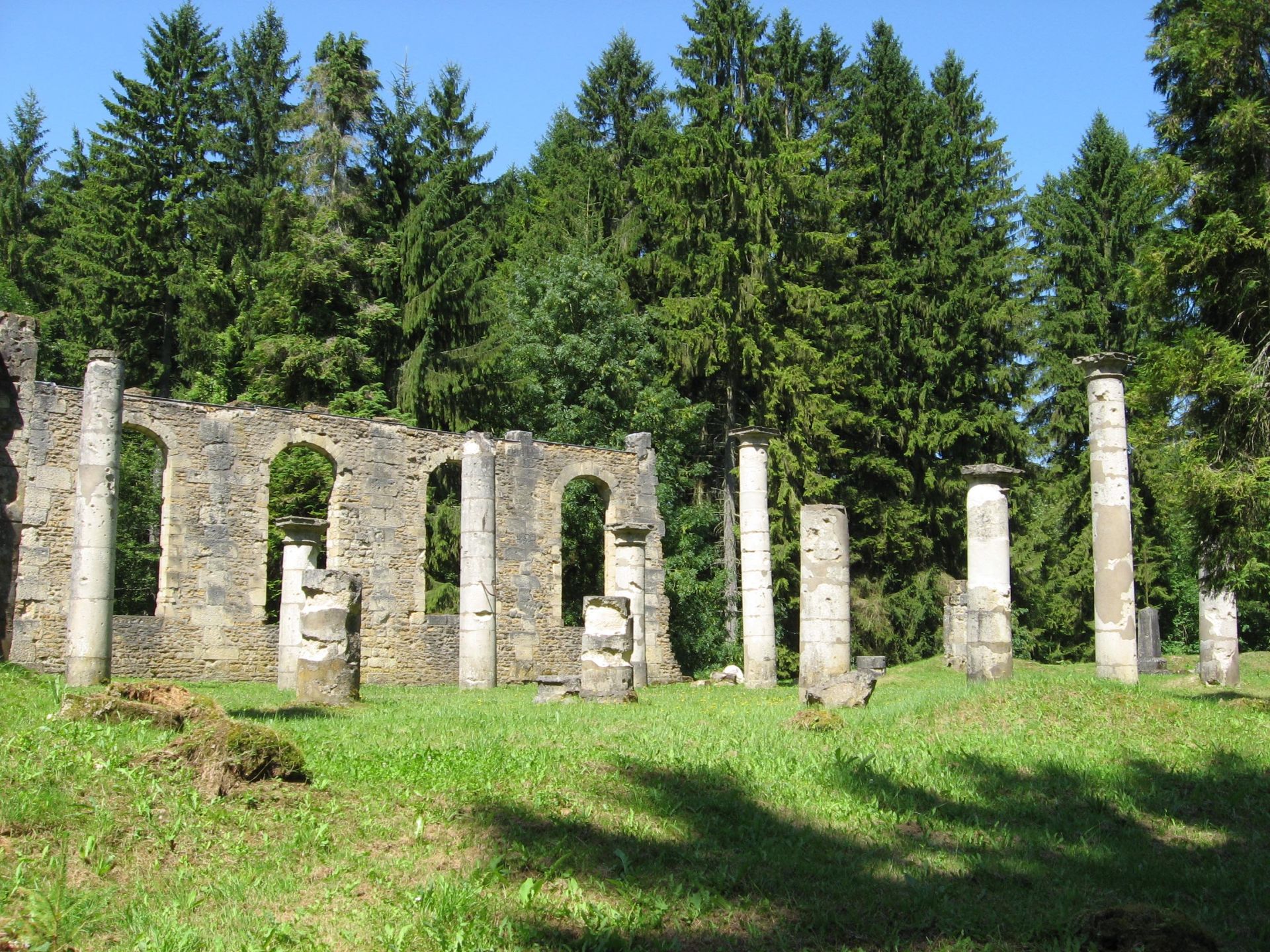
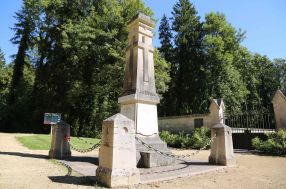
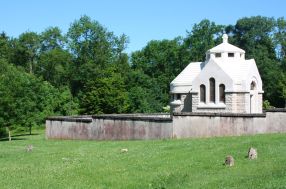
Due to ash dieback (a disease caused by a parasitic and microscopic fungus), some trees and branches in the Forêt d'Exception® of Verdun are weakened and at risk of falling. For security reasons, this site should be avoided. For more information on www.tourisme-verdun.com Ornes was a real town, larger than the other destroyed villages, but which, in the end, after the Great War, found itself in the same place as them, or almost, under their stones. Throughout its history, the castle of its lord suffered the same fate in February 1653, when it was taken and then destroyed by Catholic Lorraine troops, while he himself had firmly defended Protestantism like his ancestors since 1563. As early as 1587, a very bloody battle had taken place between his troops and those of the Catholic Duke of Lorraine. In the mid-19th century, it had 1367 inhabitants, then fell back to 750 inhabitants in 1914, mainly due to the rural exodus which supplied labor to the large industrial centers which were growing rapidly at the end of the 19th century. However, this town has a textile and processing industrial fabric well adapted to local agricultural production and production from the nearby Woëvre plain. But its geographical location, close to the border with annexed Moselle, then to the front stabilized after the Battle of the Marne, does not favour it, because it would very quickly find itself on the front line in the event of an enemy offensive. The population was therefore asked to evacuate the village starting on August 25, 1914. But not all leave, at their own risk and peril, because the bombings and German patrols making incursions into the village are intensifying. In September 1914, two children were killed by shrapnel. In October 1914, some of the villagers about to leave were captured and taken prisoner by the Germans… In 1915 and until February 1916, French troops held the village where units were positioned, in the 2nd line facing the front, when the major German offensive was launched. But from February 21 to 24, the German advance was so strong that the village of Ornes was taken by their infantry on February 24, 1916, after violent bombardments that destroyed all the houses and buildings in the village. It was not recaptured by our soldiers until August 23, 1917. Classified as a "red zone" at the end of the war, it can never be rebuilt. Its status as a destroyed village nevertheless allowed the construction of a war memorial in the old cemetery and the Saint-Michel chapel-shelter which was inaugurated on August 14, 1932. Finally, the moving remains of its church, still standing, bear witness both to the existence of a prosperous past and to the ferocity of the battles that took place on this ravaged land… To see: - The moving remains of the old church; - The Saint-Michel chapel (commemorative stained glass windows); - The war memorial (representing France defending a mother and her children with soldiers defending them in the background and displaying photos of the village before 1914 and in 1918 on its sides); - The old cemetery.