Destroyed village
de louvemont côte du poivre
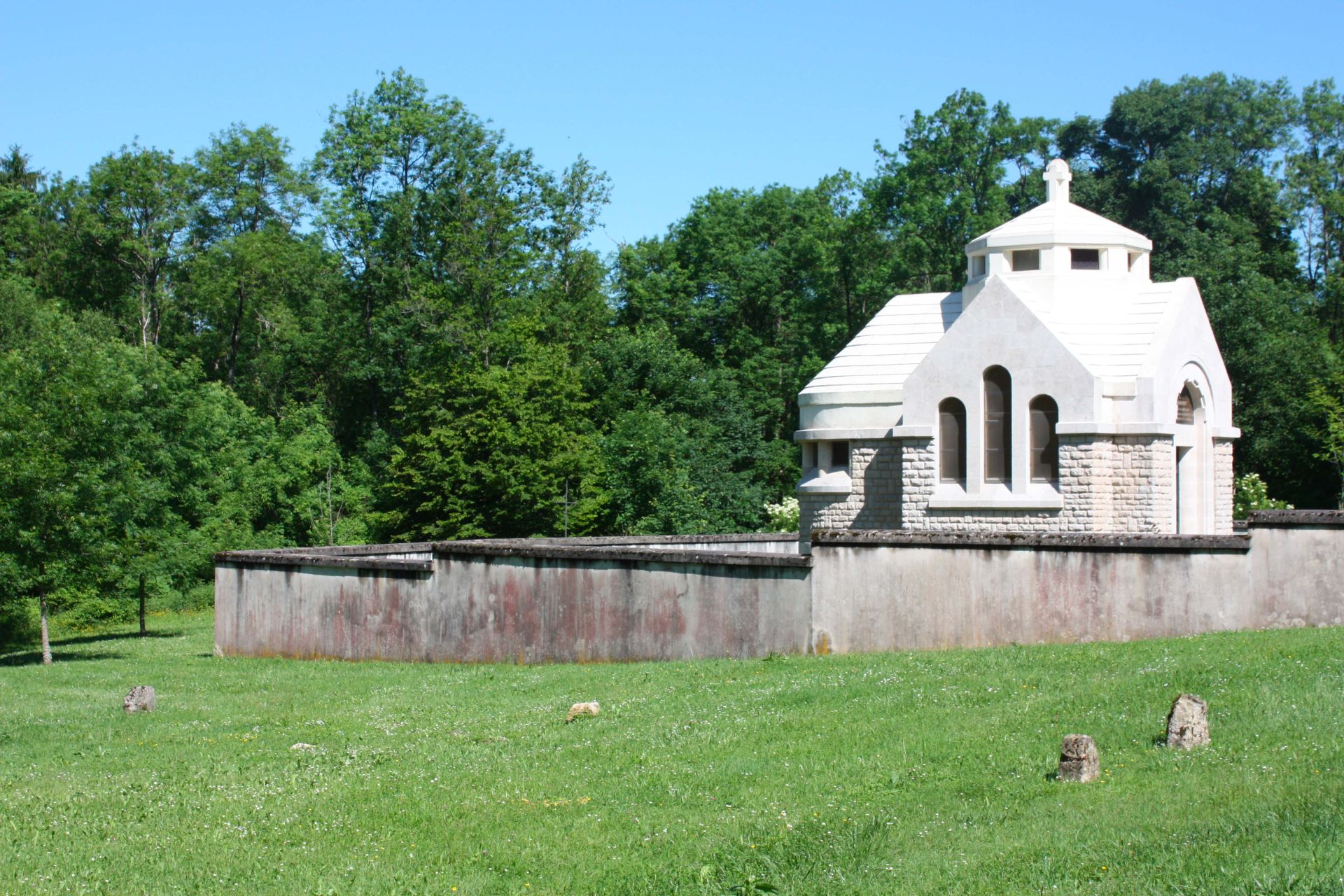
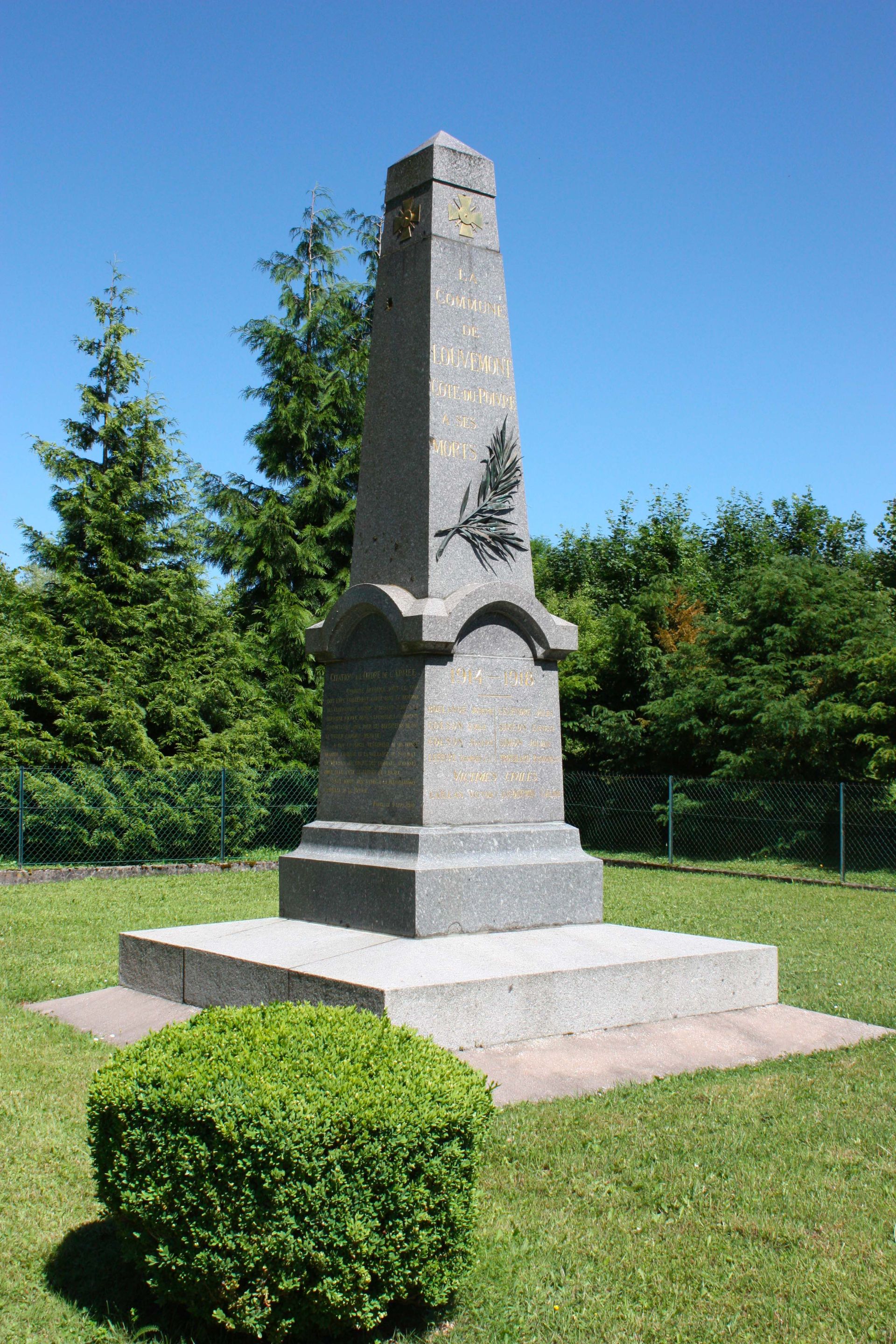
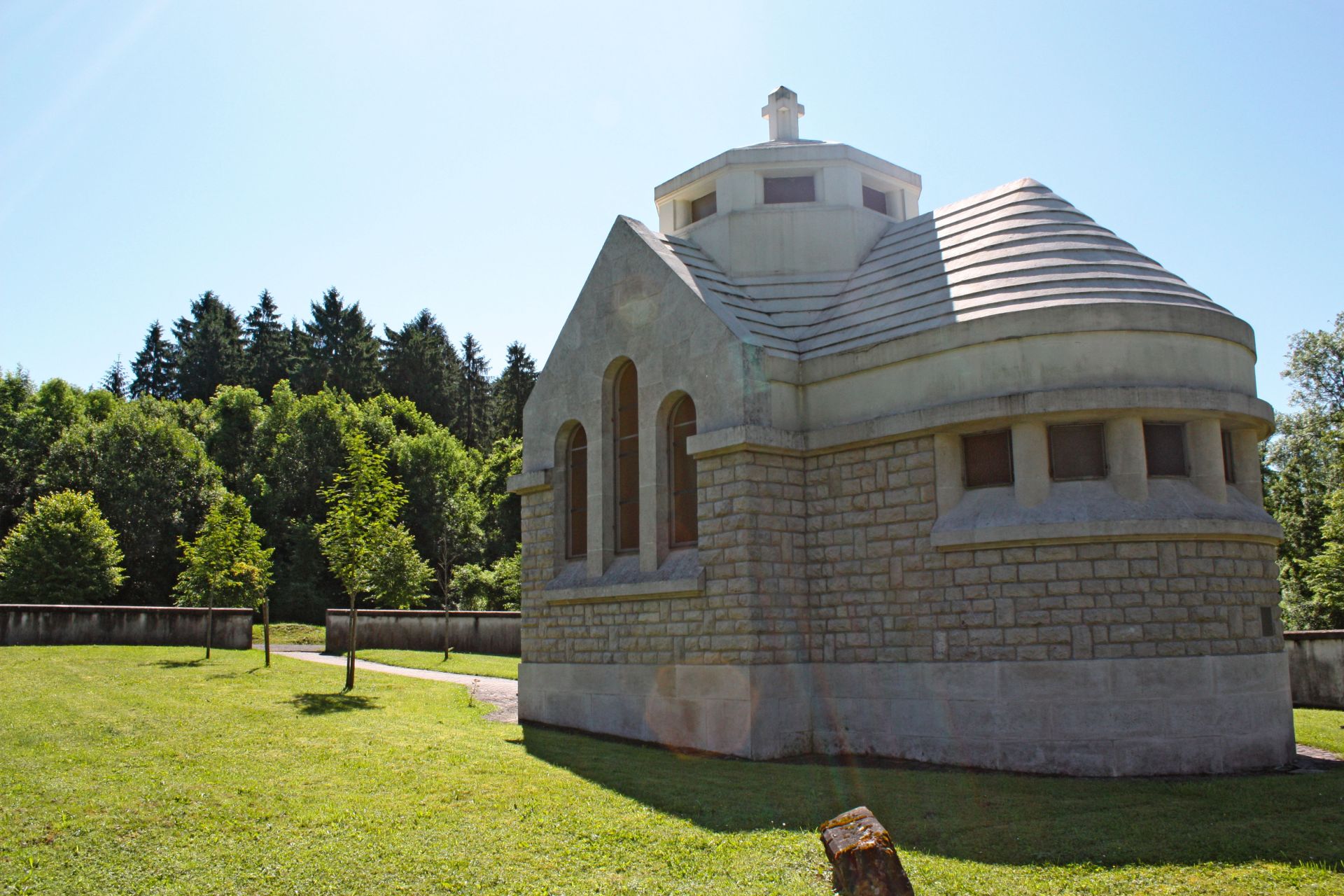
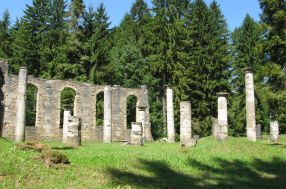
Due to ash dieback (a disease caused by a microscopic parasitic fungus), some trees and branches in the Verdun Exceptional Forest® are weakened and at risk of falling. As a safety precaution, this area should be avoided. For more information, visit www.tourisme-verdun.com. Founded in the 2nd century AD, during the Gallo-Roman period, the village of Louvemont lived primarily from agriculture. A first church was built in the 11th century. It was replaced in the 17th century by the construction of the chancel of a new church, the nave and bell tower of which were erected in 1778. With 300 inhabitants in 1846, its population had dwindled to only 183 by 1914, living mainly from agriculture. In August 1914, the front was approximately 6 or 7 km from the village. Civilian movement was therefore severely restricted. Then, in October 1914, a French advance moved it further away from the dangers of sporadic German artillery fire. On February 21, 1916, with the start of the major German offensive, Louvemont was heavily bombarded. Its defenders resisted, until the evening of February 25, the din and terrible destruction caused by the shells and then by bayonet charges against the assaults of the German infantry. From the end of February to mid-December 1916, the fiercest fighting took place on the Côte du Poivre, stretching from Louvemont to Vacherauville. Finally, on December 15 and 16, 1916, the Germans abandoned the sector after General Mangin's victorious offensive. The ruins of Louvemont then reverted to French control until the end of the war. Classified as a "red zone," Louvemont was declared a destroyed village in 1919, benefiting from this unique status which allowed it to build, between the two world wars, its war memorial and the Saint-Pierre aux Liens chapel-shelter, inaugurated on May 3, 1930. The inscription "In memory of Haudraumont and Mormont" on this monument recalls the vanished existence of two small hamlets within the commune. Similarly, the addition of "Côte du Poivre" (Pepper Hill) to its name testifies to the determination of its former inhabitants never to erase from their memory this significant site which marked the tragic history of the 1914-1918 war and of their community. Sights to see: - The Saint-Pierre aux Liens chapel-shelter; - The war memorial; - The remains of the old cemetery; - The reconstructed fountain and the stones and rows of trees marking the streets and the town hall/school.